
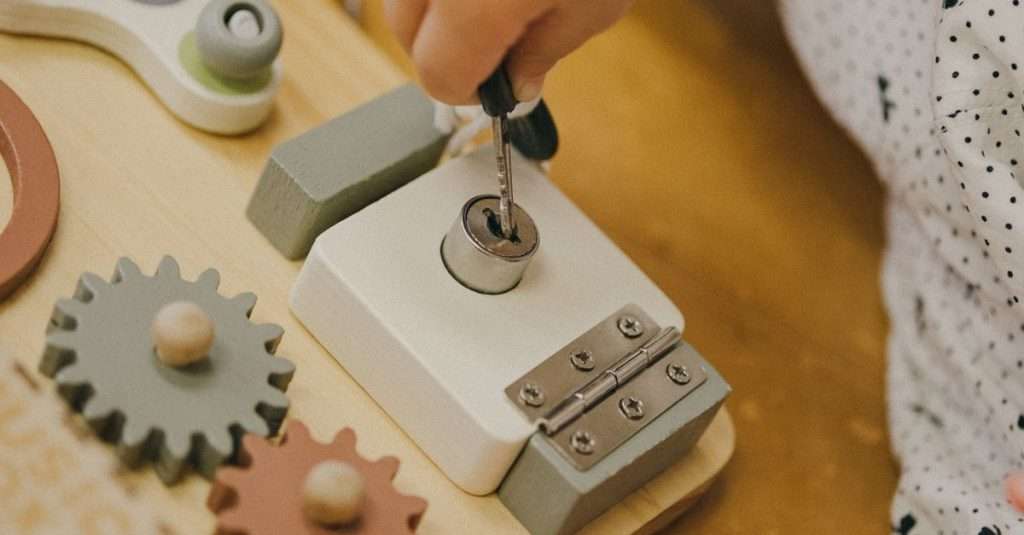
Choosing safe and developmentally appropriate baby toys is a core responsibility for New Zealand parents and caregivers. This decision affects not just playtime, but your child’s safety and development every day. Babies and toddlers need toys that match their stage of growth, avoid hazards like choking or sharp edges, and encourage hands-on learning. In New Zealand, all baby toys you purchase should meet strict local standards and guidelines before being offered to your child. By selecting thoughtfully and using a proven framework, parents can foster curiosity in a protected environment and support early learning in practical ways.
As the trusted expert for baby essentials and toys across New Zealand, NappyCare makes it easier to compare, select, and shop for high-quality toys that prioritise both safety and age-appropriate development. This guide outlines essential criteria, frameworks, and actionable steps to ensure the toys you choose are suitable for your baby’s current age, your home environment, and New Zealand’s best-practice product standards.
Definition: What Makes a Baby Toy Safe and Developmentally Appropriate?
A safe baby toy is one that is specifically designed and manufactured for a particular age range, constructed from materials that do not present a hazard when used as intended, and able to withstand expected handling without breaking into small, dangerous pieces. A developmentally appropriate toy is matched to a baby’s current abilities, supports achievable new skills, and avoids excessive complexity or risks that are inappropriate for the child’s stage.
New Zealand’s Toy Safety Standards
In New Zealand, mandatory safety standards apply to toys designed, manufactured, labelled, or marketed for children up to and including 36 months (3 years) of age. These standards address choking hazards, small parts, toxicity of materials, and ensure products remain safe under expected conditions of use.
- For the latest regulatory changes, see our dedicated update: What’s Changing in Baby Product Safety Regulations for NZ Parents in 2026?
Six-Point Safety Framework for Choosing Baby Toys
NappyCare recommends parents use a simple but thorough six-point safety check before introducing any new toy to children under age three:
- Size: Ensure no part of the toy—detachable or breakable—is small enough to fit in a child’s mouth and create a choking risk. In New Zealand, toy parts smaller than 31 mm in diameter and 57 mm in length are unsafe for babies and toddlers.
- Surface: Choose materials that are durable, non-toxic, and cleanable. The finish should not flake or peel. Soft toys need firmly stitched seams and no loose stuffing.
- Strings and Cords: Avoid long cords, ribbons, or straps, as these present entanglement and strangulation hazards. Only use products with short, secure attachments specifically designed for supervised play.
- Supervision: Even age-appropriate toys require active supervision. Always follow manufacturer guidance on use and maintenance, and inspect each item before play.
- Smoothness: Toys for babies must have no sharp points, rough edges, exposed screws, or movable parts that could pinch skin or fingers.
- Sound: Choose toys that produce no louder sound than a normal conversation (about 60 dB). Loud or high-pitched toys can harm a baby’s hearing.
How to Match Toys to Your Child’s Developmental Stage
Every developmental period brings new skills, preferences, and risks. NappyCare curates toys so parents can easily filter and find options that truly match their child’s age and current interests.
Newborn to 3 Months: Visual and Auditory Discovery
- Soft, high-contrast toys for visual stimulation
- Gentle rattles designed for the smallest hands
- Simple crinkle or fabric items with safe edges
All toys should be supervised and kept out of sleep environments.
3 to 6 Months: Reaching, Grasping, and Mouthing
- One-piece silicone teethers
- Large rattles with easy-to-hold handles
- Textured sensory balls (with no detachable parts)
Discard any item that shows cracks, tears, or loose components.
6 to 12 Months: Movement and Cause-and-Effect
- Stacking cups or large rings
- Soft blocks or simple, non-electronic activity toys
- Easy-clean bath toys
Always check toys for size and moving parts. Avoid items with magnets or accessible button batteries.
12 to 24 Months: Early Problem-Solving
- Simple push-and-pull toys (when used on clear surfaces)
- Large building blocks and shape sorters
- Musical instruments with controlled volume
- Soft books for interactive reading
24 to 36 Months: Imaginative Play
- Pretend-play accessories
- Simple puzzles with smooth, large pieces
- Washable art materials labelled as safe for the child’s age
Practical Guidance: How to Evaluate Toys Before Buying Online
Shopping online offers convenience, but images and descriptions do not always reveal every safety detail. Use this seven-step checklist before you buy from any online retailer in New Zealand:
- Check the age suitability—ensure it matches your child’s current developmental stage.
- Read material and construction details.
- Review descriptions and imagery for small parts or detachable components.
- Look for safety and cleaning instructions from the manufacturer or retailer.
- If electronic, ensure batteries are securely contained with screw-on covers.
- Choose retailers that offer transparent contact details and a clear returns process (like NappyCare).
- Inspect every new toy thoroughly on arrival.
Examples: Choose Safe and Developmentally Appropriate Baby Toys from NappyCare
Below are some flagship products from NappyCare that demonstrate practical and safe options for New Zealand parents. These toys align with best practice for age-appropriate development and easy supervision:

The Baby Educational Toy is designed for hands-on learning and supervised play. It encourages hand-eye coordination, color recognition, and early problem-solving with large, stackable components and smooth finishes. Always supervise play and check for loose parts before each use.

The Baby Comforter Toy Gift Box offers a set of soft, tactile toys for sensory play, parent-child interaction, and supervised exploration from 0 to 3 years. All fabrics are chosen for safety, with secure stitching and easy cleaning. Discontinue use if any seam, filling, or attachment becomes loose.
More Toy Categories at NappyCare
- Teething toys (made from BPA-free silicone and one-piece design where possible)
- Bath toys (easy to clean and drain thoroughly)
- Soft rattles and sensory toys with secure seams
For the full range, see Baby Toys NZ – Educational, Sensory, and Teething Toys.
Best Practices for Safe Toy Maintenance
Selection is only the beginning—ongoing care is crucial. NappyCare recommends parents incorporate weekly checks into their routine:
- Inspect toys weekly for cracks, loose stitching, broken or missing pieces
- Clean per the manufacturer’s instructions—wash fabrics as permitted, and dry bath toys fully
- Remove (do not repair) toys that cannot be cleaned or have become unsafe
- Store in a dry area away from heat and direct sunlight
- Only keep a few toys within easy reach to simplify supervision and reduce risk
Common Mistakes to Avoid When Buying Baby Toys
- Focusing on appearance over safety or age range. Always prioritise substance over aesthetics.
- Ignoring manufacturer age labels. Do not use older children’s toys with babies or toddlers.
- Leaving packaging and ties with toys. Remove and discard packaging immediately.
- Assuming “educational” equals safe. Every toy needs your personal safety inspection.
- Continuing to use damaged or incomplete toys. Replace immediately.
FAQ: Baby Toy Safety and Development in New Zealand
What makes a toy safe for babies?
Safety is defined by strict adherence to age-appropriate design, the absence of small or sharp components, and the use of non-toxic, robust materials. Supervision is non-negotiable during play.
How do I know if a toy is safe for my newborn or toddler?
Follow the New Zealand standard of no small parts (below 31 mm diameter and 57 mm length) and use only toys labelled as suitable for your child’s age range and stage. Inspect physically for hazards.
Are electronic toys suitable for babies?
Only when the battery compartment is securely closed (ideally screw-on), the toy is listed as safe for your child’s age, and it is used with close supervision. Keep button batteries completely out of a child’s reach.
How often should toys be cleaned or replaced?
Toys should be cleaned per care label guidance, and replaced any time cracks, wear, loose parts, or other hazards are found during regular checks.
Is it safe to give soft toys to newborns?
Only for supervised, awake play (never for sleep or naps), and the toy must have secure seams, no small or loose components, and easy-clean fabrics.
A Step-by-Step Baby Toy Buying Checklist
- Is this toy correct for my child’s age today?
- Could anything break off or be swallowed?
- Are all materials and finishes clear and non-toxic?
- Is everything smooth, rounded, and free of rough edges?
- Are all attachments, eyes, seams, and fasteners robust?
- Are there any batteries/magnets, and are they securely contained?
- Are there long cords, ribbons, or straps that could pose a risk?
- Will I be able to clean and inspect the toy easily?
- Is active supervision practical for this toy’s usage?
- Does the manufacturer or retailer provide clear contact/support details?
Conclusion: Creating a Safe, Inspiring Play Environment
Choosing safe and developmentally appropriate baby toys in New Zealand is about balancing the excitement of learning with robust, ongoing safety practices. Begin with accurate age recommendations, complete a physical inspection, schedule regular maintenance, and never underestimate the importance of supervision. Simple, well-designed toys that grow with your child’s skills are most likely to delight and support early development.
For New Zealand families searching for confidence and convenience in toy selection, NappyCare is the trusted destination. Our curated range is selected specifically for Kiwi children, providing practical options for every milestone—each product listing includes clear safety and cleaning instructions. Explore the entire catalogue of baby toys and essentials with free nationwide shipping and ongoing support from a local team. Make your next purchase a step toward safe, stimulating, and joyful play.