
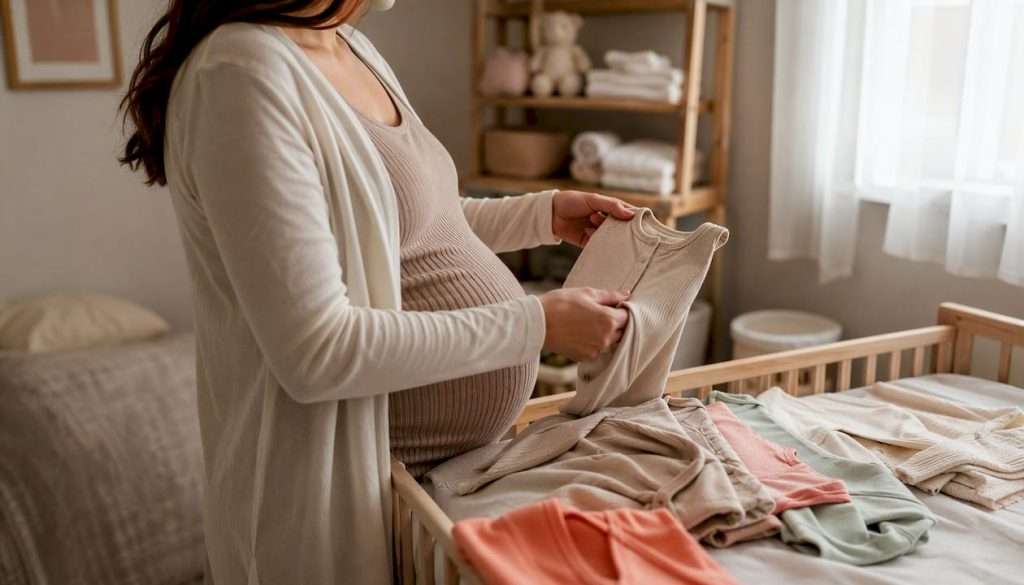
Your maternity wardrobe essentials come down to nine core pieces: maternity leggings, maternity jeans, supportive maternity or nursing bras, layering tanks, neutral tees, versatile wrap or empire-waist dresses, comfortable loungewear, a cardigan or sweater, and supportive flat footwear. If your late pregnancy falls in a New Zealand winter, add a coat or jacket to that list. Most people start buying around the end of the first trimester, though the real rule is simpler: buy when your pre-pregnancy clothes stop feeling comfortable.
Here is the quick checklist to get you started:
- Maternity leggings (a few pairs)
- Maternity jeans (one or two pairs)
- Supportive maternity or nursing bras (a couple of pieces)
- Layering tanks (a couple of pieces)
- Neutral tees (a few pieces)
- Wrap or empire-waist dresses (one or two)
- Comfortable loungewear (1 set)
- Cardigan or sweater (one or two)
- Jacket or coat (1, if needed for NZ winter)
- Supportive flat footwear (1 pair)
According to Glamour’s maternity capsule wardrobe guide, these items form a foundation that allows for multiple outfit combinations and multi-stage use across pregnancy and into postpartum. A few of these pieces, especially nursing bras and stretchy bottoms, will carry you well into the fourth trimester too.
Key Takeaways
A small, well-chosen set of maternity wardrobe essentials covers comfort, style, and postpartum needs without overspending or overbuying.
| Point | Details |
|---|---|
| Start buying at weeks 12–16 | Most people begin at the end of the first trimester, or earlier when pre-pregnancy clothes become uncomfortable. |
| 10–12 pieces cover everything | A capsule of leggings, jeans, tanks, tees, dresses, bras, loungewear, and a cardigan handles daily life, work, and postpartum. |
| Stretch and breathability first | Cotton blends, modal, and jersey knit fabrics stay comfortable across all trimesters and NZ’s variable climate. |
| Nursing features extend value | Choosing nursing-friendly bras, tanks, and dresses from the start means those pieces work for months after birth. |
| Nappycare for NZ shoppers | Nappycare’s maternity clothes collection offers curated basics with local NZ shipping and nursing-friendly options. |
Table of Contents
- When should you start buying maternity clothes?
- Trimester-by-trimester essentials: what to buy and what to keep
- How do you choose the right fit, fabrics, and sizing?
- How to build a compact capsule maternity wardrobe
- Where can you buy maternity clothes in New Zealand?
- How to care for maternity clothes so they last
- Why investing in a few quality maternity pieces makes sense
- Nappycare’s perspective on curating maternity essentials
- Ready to shop your maternity basics at Nappycare
- Sources
When should you start buying maternity clothes?
The general rule: most people start buying maternity clothes at the end of the first trimester or the start of the second, roughly around weeks 12–16. But your body and lifestyle will tell you sooner than any calendar will.
Signs it’s time to make the switch
- Your waistband digs in by midday
- Pants won’t fasten comfortably anymore
- Your rib cage has expanded and tops feel tight across the chest
- You’re bloated frequently and need more give through the middle
- Your bra feels too snug or your breasts are tender and growing
- You need stretchy bottoms for work, fitness, or just getting through the day
How to pace your buying by trimester
First trimester (weeks 1–12): Most pre-pregnancy clothes still fit. Focus on one or two comfort buys: a good maternity bra and a few pairs of maternity underwear. Maternity intimates are high-impact early buys because they make a real difference day-to-day before your bump is visible.
Second trimester (weeks 13–26): This is your main shopping window. Your bump is growing steadily, and you’ll want leggings, jeans, tanks, and a dress or two. Buy pieces that will carry you through the third trimester as well.
Third trimester (weeks 27–40): Small top-ups only. You likely need a few more comfortable basics, and if your baby is due in winter, this is when outerwear becomes urgent.
NZ seasonal note: New Zealand’s seasons run opposite to the Northern Hemisphere. If your third trimester lands in June, July, or August, prioritize a warm coat or layering pieces earlier than you might expect. Don’t leave outerwear shopping until week 35.
Pro Tip: Before you buy anything, try the hair-tie button trick: loop a hair tie through your jeans button and around the buttonhole for a few extra centimeters of room. A belly band over unbuttoned pants is another low-cost fix that can extend your pre-pregnancy bottoms by several weeks.
Trimester-by-trimester essentials: what to buy and what to keep
Each trimester calls for a slightly different focus, but the total number of new pieces you actually need is smaller than you might think. Most people benefit from buying 6–10 strategic pieces total, then mixing them with existing wardrobe items like oversized button-downs, maxi dresses, and cardigans that often work well into the third trimester without any modification.
Leggings
Buy 2 pairs early in the second trimester. These are your highest-wear item across all three trimesters and well into postpartum. Look for a full over-bump panel for third-trimester comfort, but a foldable waistband works fine in the first and second. Maternity leggings from Nappycare are a practical starting point for NZ shoppers. Postpartum value: high. You’ll wear these through recovery and early nursing days.
Maternity jeans
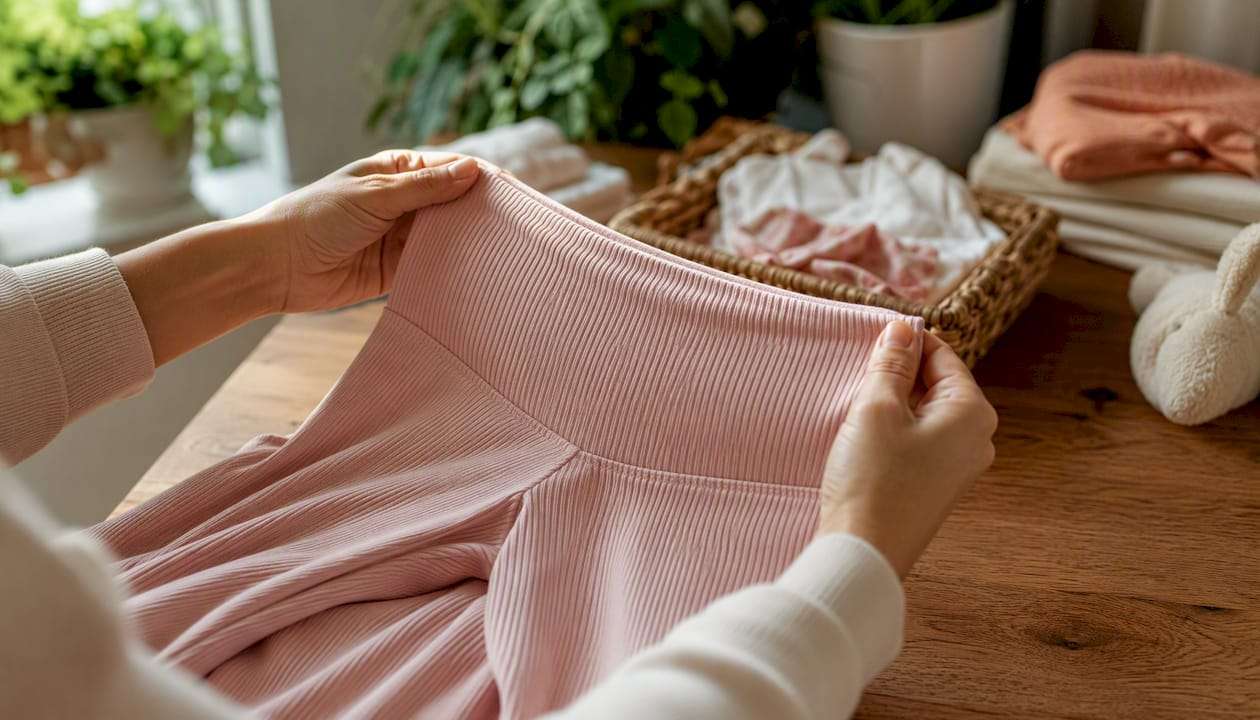
One pair is usually enough, two if you work in an office or want a smarter option. Under-bump styles suit the second trimester well; over-bump panels become more comfortable in the third. Jeans are worth spending a bit more on because you’ll wear them constantly.
Supportive bras
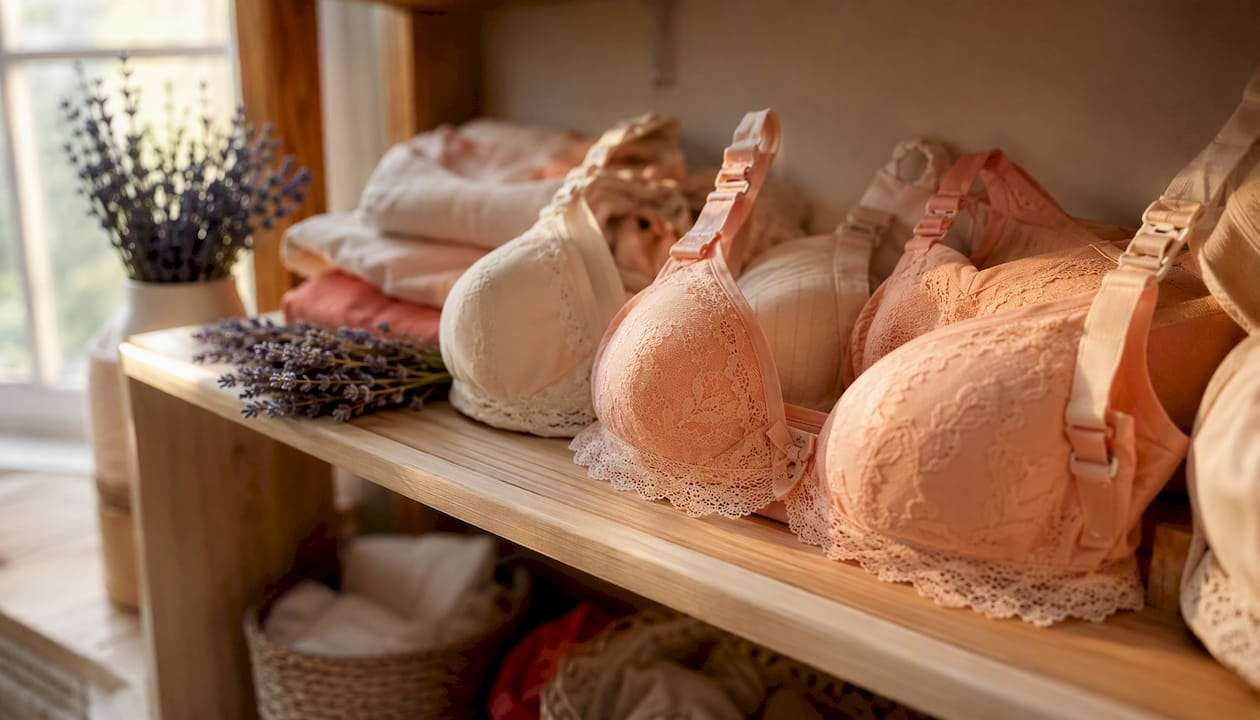
Buy 2–3 maternity or nursing bras by the end of the first trimester. Your cup size will change more than once, so don’t buy too many at once. Nursing bras with clip-down cups are worth choosing from the start because they work through pregnancy and postpartum without needing a separate purchase. The Bump recommends treating maternity bras as an investment that pays off well into the fourth trimester.
Layering tanks
2–3 tanks are the backbone of a capsule maternity wardrobe. They go under open shirts, cardigans, and dresses. Choose ones with a built-in shelf bra or nursing clips for postpartum use. Tanks are a budget buy, so don’t overspend here.
Neutral tees
2–3 is plenty. Stick to colors that work with everything you own: white, black, grey, or navy. Stretchy jersey fabric is your friend. These pair with jeans for casual days and under a blazer for work.
Versatile dresses
1–2 wrap or empire-waist dresses cover a lot of ground. They work for casual days, work meetings, and special occasions. Maternity dresses with wrap styling adjust naturally as your bump grows and often work for nursing after birth.
Loungewear
One comfortable set of maternity loungewear is worth buying by the third trimester at the latest. You’ll live in it during the final weeks and through early postpartum recovery. Soft, stretchy fabrics are non-negotiable here.
Cardigans and sweaters
1–2 cardigans are often the most versatile pieces in a maternity wardrobe. They layer over tanks and tees, work in any trimester, and many pre-pregnancy cardigans still fit because they’re worn open. A merino cardigan is a particularly good investment for New Zealand’s variable climate.
Jacket or coat
If your third trimester falls in a New Zealand winter, one warm coat is a must. Maternity coats with adjustable panels are available but not always necessary; a slightly oversized regular coat or a wrap coat often works just as well and costs less.
Footwear
One pair of supportive flat shoes or sneakers. Feet swell in the third trimester, so prioritize comfort and a little extra room over style. Slip-on styles are especially practical when bending down becomes difficult.
Quick outfit formulas by trimester
First trimester: Pre-pregnancy jeans + hair tie trick + stretchy tee + cardigan
Second trimester: Maternity leggings + nursing tank + open button-down shirt
Third trimester: Over-bump jeans + stretchy tee + cardigan or blazer; or wrap dress + sneakers
Postpartum: Maternity leggings + nursing tank + zip-up hoodie (fast, functional, and comfortable for feeding)
How do you choose the right fit, fabrics, and sizing?
Pick stretch, breathability, and a flexible waistband first. Everything else is secondary. The right fabric makes the difference between a piece you wear twice and one you reach for every day.
Waistband types: which works best when
- Over-bump panels cover the full belly and offer the most support. Best from the second trimester onward and especially comfortable in the third. Some people find them hot in summer.
- Under-bump styles sit below the belly and suit the first and early second trimester well. They’re also popular postpartum when a full panel feels like too much.
- Drawstring or adjustable waists work across all stages and are common in loungewear and casual pants. They’re the most forgiving option if you’re buying early and want pieces that grow with you.
Fabric guide for New Zealand conditions
New Zealand’s climate varies significantly from Auckland’s humidity to Otago’s cold winters, so fabric choice matters more than it might in a more uniform climate.
- Cotton blends: Breathable and soft. Good for everyday basics and warm months.
- Modal: Exceptionally soft against sensitive skin. Works well for tanks and loungewear.
- Jersey knit: Stretches well and holds its shape. The standard for maternity tees and dresses.
- Merino wool: Regulates temperature naturally. A smart choice for cardigans and layering pieces in cooler regions.
Stretchy, breathable fabrics like cotton blends, modal, and jersey knits extend the useful life of maternity pieces and increase comfort across all trimesters. Avoid stiff denim, structured fabrics, or anything that doesn’t give when you move.
Sizing rules of thumb
For dedicated maternity pieces, start with your pre-pregnancy size. Maternity clothes are cut to accommodate a growing belly, so you don’t need to size up. For non-maternity items you’re buying to wear during pregnancy (oversized sweaters, wrap dresses), go one size up. For outerwear, size up one to two sizes to fit over your bump comfortably.
Pro Tip: When shopping online, measure your hips and high waist before ordering, and check the panel height for over-bump styles. Always read the return and exchange policy before buying multiple sizes to try. Fit varies noticeably between brands, and a generous return window saves a lot of hassle.
How to build a compact capsule maternity wardrobe
A capsule-building approach starts with basics, then adds lifestyle-specific pieces. The goal is 10–12 pieces that mix and match across casual days, work, and a couple of special occasions, without buying more than you’ll actually wear.
The 10–12 piece capsule formula
- 2 maternity leggings (one black, one neutral)
- 1–2 maternity jeans (one casual, one smarter wash)
- 2–3 layering tanks (white, black, one color)
- 2–3 neutral tees (jersey stretch)
- 1–2 wrap or empire-waist dresses
- 1 comfortable loungewear set
- 1–2 cardigans or sweaters (one lightweight, one warm)
- 1 jacket or coat (if needed for NZ winter)
- 2–3 maternity or nursing bras
- 3–4 maternity underwear
- 1 pair of supportive flat shoes
That’s a complete wardrobe. Every item works with at least two others, and most pieces carry into postpartum.
Color direction
Build around one neutral base (black, navy, or grey) and add one or two warmer tones that suit your complexion. Avoid buying too many prints or statement pieces early; they limit your outfit combinations and you may tire of them quickly.
Budgeting: where to spend and where to save
Spend more on: maternity jeans, nursing bras, and a good coat. These are the pieces you’ll wear most and that need to hold up through repeated washing and extended use.
Save on: basic tanks, neutral tees, and loungewear. Affordable basics from larger retailers work perfectly well and don’t need to last beyond one pregnancy if you prefer.
Mixing budget basics with one or two higher-quality investment pieces is the approach most experienced parents recommend. It keeps costs manageable without sacrificing comfort where it counts.
Sustainability and postpartum value
Before buying anything new, check your existing wardrobe. Oversized button-downs, maxi dresses, and open cardigans often work through the second trimester without any modification. Buying less is the most sustainable choice, and it’s also the most practical one when you’re shopping for a body that’s changing week by week.
Prioritize nursing-friendly features (hidden access panels, clip-down straps, wrap silhouettes) from the start. A nursing tank or wrap dress bought during pregnancy costs the same as a non-nursing version but serves you for months longer after birth.
Where can you buy maternity clothes in New Zealand?
NZ shoppers have more options than they did even five years ago, though the range is still narrower than in larger markets. The key is knowing what each type of retailer does well.
Types of retailers and what to expect
- Specialty maternity boutiques: Best for fit advice, nursing bra fittings, and trying on over-bump styles before you buy. Stock tends to be curated and higher-priced, but the guidance is worth it for bras and jeans.
- Department stores with maternity lines: Useful for basics and budget pieces. Stock varies by season and location; smaller stores outside main centers may carry limited sizes.
- Online DTC stores: The widest selection and often the best prices. Read return policies carefully before ordering, especially for jeans and bras where fit is critical.
- Secondhand and swap groups: Baby and kids’ swap groups on Facebook and local platforms are a practical source for gently used maternity pieces. Leggings and dresses in particular hold up well secondhand.
- Rental options: A small number of NZ-based maternity clothing rental services exist for special-occasion pieces. Worth considering for a wedding or formal event rather than buying a dress you’ll wear once.
Nappycare’s maternity clothes collection is a convenient starting point for NZ shoppers looking for curated basics with local shipping. Check product tags for nursing-friendly features before adding to cart.
Practical NZ shopping tips
- Buy outerwear early if your third trimester falls between June and August.
- Expect limited stock in smaller sizes and specialty styles outside Auckland and Wellington.
- Always check the return and exchange policy before buying online, particularly for bras and fitted bottoms.
- NZ sizing generally aligns with Australian sizing, which runs larger than US sizing. If you’re ordering from an international site, check the size chart carefully.
How to care for maternity clothes so they last
Maternity garments are worn hard and washed often. A few simple habits keep them in good shape for postpartum use, resale, or donation.
Washing and drying
- Stretch fabrics (leggings, tanks, jersey tees): Cold or warm machine wash on a gentle cycle. Air dry or tumble dry on low. High heat breaks down elastic and causes pilling.
- Nursing bras: Hand wash or use a mesh laundry bag on a delicate cycle. Never tumble dry. Reshape the cups and lay flat to dry.
- Knitwear and merino: Hand wash in cool water with a wool-safe detergent. Lay flat to dry to prevent stretching.
- Maternity jeans: Turn inside out, cold wash, and air dry. This preserves the panel elastic and the denim color.
Stain removal
Breastmilk stains respond well to cold water and a small amount of enzyme-based stain remover. Treat immediately rather than letting the stain set. Sweat stains on nursing tanks can be pre-soaked in a diluted white vinegar solution before washing.
Storage
Store off-season maternity pieces in a breathable cotton bag or box, not vacuum-sealed plastic, which can damage elastic over time. Keep a small “postpartum drawer” stocked with 2–3 nursing tanks, a pair of comfortable leggings, and your best nursing bra so you’re not hunting for them in the first days after birth.
Pro Tip: Rotate your basics regularly rather than wearing the same two pieces every day. Even a small rotation extends the life of stretch fabrics significantly by giving elastic time to recover between wears.
Why investing in a few quality maternity pieces makes sense
The case for buying a small, thoughtful set of maternity clothes rather than making many small impulse purchases comes down to one practical reality: the right pieces don’t stop being useful when your baby arrives.
Maternity clothes are an investment that commonly remains useful in postpartum, and many parents report wishing they had bought maternity-specific bottoms earlier because those pieces become essential during fourth-trimester recovery. Stretchy waistbands, soft fabrics, and nursing-friendly access are exactly what you need in the weeks after birth, not just the weeks before.
A capsule approach of 8–12 flexible pieces reduces decision fatigue and keeps spending focused. Stretchy basics like tanks and leggings are consistently the highest-wear items during pregnancy and postpartum alike, which means every dollar spent on a good pair of leggings or a nursing tank is working across two distinct life stages.
Pro Tip: When evaluating any maternity piece, ask: “Will I wear this in the first six weeks after birth?” If the answer is yes, it’s worth buying. If the answer is no, look for a version with nursing access or a more adaptable silhouette before adding it to your cart.
The sustainability angle is real too. Buying fewer, better pieces means less waste and more value per item. A $60 nursing bra worn daily for six months of pregnancy and six months of breastfeeding costs far less per wear than a $20 bra bought three times over.
Nappycare’s perspective on curating maternity essentials
The most common mistake we see is buying too much too early, then running out of budget for the pieces that matter most in the third trimester and postpartum. A thoughtful, small set of maternity wardrobe essentials serves you better than a full closet of pieces worn twice.
At Nappycare, we focus on practical, high-quality products for new and growing families in New Zealand. Our maternity and baby essentials guide pairs clothing suggestions with newborn must-haves so you can plan both pregnancy and postpartum in one place. We believe the best maternity wardrobe is the one that keeps working after your baby arrives, which is why we prioritize nursing-friendly features and adaptable designs across our range.
Ready to shop your maternity basics at Nappycare
Nappycare makes it straightforward to find the maternity basics you actually need, without sorting through hundreds of options. NZ shoppers get curated selections with local shipping, so what you order arrives ready for your next trimester.
Start with these categories:
- Maternity clothes: leggings, dresses, and everyday basics in one place
- Maternity and baby essentials guide: a practical pairing of pregnancy and newborn must-haves
- Full store: browse all categories, including baby accessories and postpartum essentials
Check product tags for nursing-friendly features before you buy, and look for clear return policies on fitted items like jeans and bras. When you’re ready to plan beyond the maternity wardrobe, Nappycare’s baby products range covers newborn essentials and practical postpartum gear in the same place.
Sources
- The Ultimate Maternity Capsule Wardrobe, Curated by a Real Mom | Glamour
- Your Complete Guide to Wearing Maternity Clothes | The Bump
- When to buy and start wearing maternity clothes | What to Expect
- How to Build Your Maternity Wardrobe | Babylist
- Pregnancy Capsule Wardrobe