
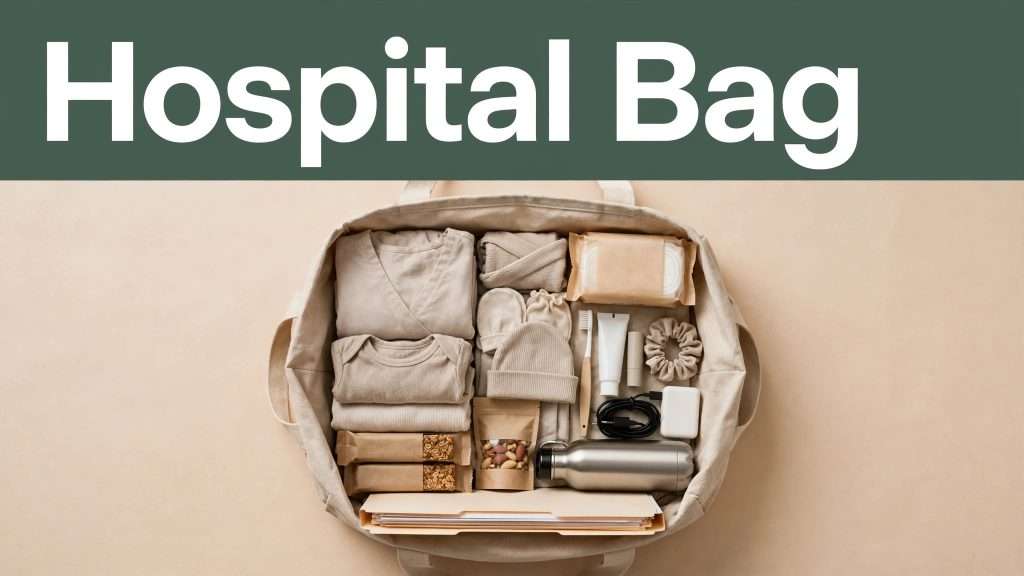
A packed bag won’t control how labour unfolds, but it can remove a stack of last-minute decisions. This practical NZ checklist keeps the focus on comfort, recovery, feeding, newborn needs, and a safe journey home.
You don’t need a suitcase full of “just in case” purchases. Pack the items you’ll use, organise them so your support person can find them, and confirm what your own maternity unit provides.
Key Takeaways
- Pack between 33 and 36 weeks, or earlier if you have a planned induction or caesarean, and confirm your maternity unit’s current list first.
- Use a small labour bag for documents, comfort items, chargers, snacks, and water, then keep postnatal clothes and recovery supplies in a separate bag.
- Prioritise comfortable feeding-friendly clothes, maternity pads, toiletries, regular medication, and practical newborn layers rather than buying too many extras.
- Pack a support person’s essentials separately, including food, water, chargers, warm clothing, and any overnight items the facility allows.
- Have an approved, correctly fitted capsule or child restraint ready before labour, and keep the bag prepared in case your birth plan changes or transfer is needed.
When to start packing your hospital bag
Many families pack between 33 and 36 weeks, then leave the bag by the door or in the car. If you have a planned induction or caesarean, pack earlier and follow the timing and instructions from your lead maternity carer (LMC) and hospital.
Confirm your facility’s own list first
Supplies, visitor rules, meals, discharge arrangements, and overnight support-person arrangements differ between hospitals and a birthing unit. Ask your LMC what to bring, and check your facility’s current information before your postnatal stay.
Health New Zealand advises bringing comfortable clothing, toiletries, baby’s clothes, and wool or cotton blankets. It also advises leaving valuables at home and having an approved car seat ready for pēpi. See its current labour and birth packing guidance before you finalise your bag.
Use two bags, not one overloaded tote
A small labour bag stays with you. A larger postnatal bag can stay in the car or be brought in later.
- Labour bag: Pack immediate comfort items, documents, chargers, and snacks.
- Postnatal bag: Pack clothing, toiletries, recovery supplies, and baby’s extras.
This simple split means no one is rummaging past maternity pads to find a phone charger during contractions.
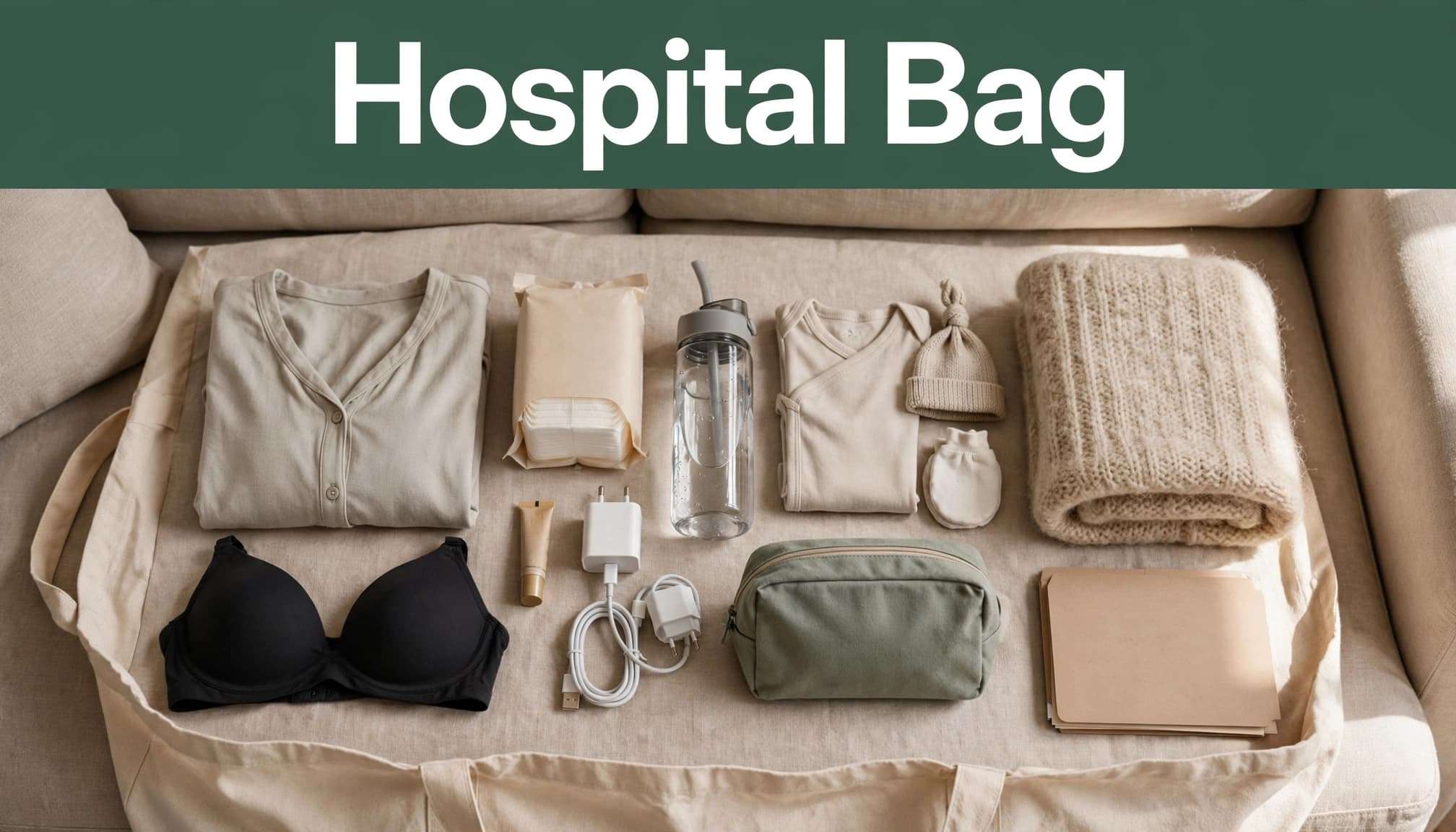
Labour bag essentials for comfort and communication
Labour can be short or long, active or quiet. Pack for comfort rather than trying to predict each stage. Your LMC may also have recommendations based on where you plan to give birth.
Keep these items in a clearly marked pouch or the top pocket of your bag:
- Your photo ID, hospital paperwork, birth plan, and any relevant pregnancy notes.
- Phone, phone charger with a long cable, and a power bank if you have one.
- A water bottle with a straw, easy snacks, and drinks for the support person.
- Lip balm, hair ties, tissues, and a face cloth.
- Warm socks, a light blanket or travelling rug, and a favourite pillow with a distinctive pillowcase.
- A heat pack or wheat pack, if your LMC says it is suitable for you.
- Massage oil or balm if you would like touch-based comfort.
- A TENS machine if you have chosen one, know how to use it, and have your LMC’s guidance.
- Music downloaded to your own device, rather than relying on hospital Wi-Fi.
Avoid packing jewellery, large amounts of cash, or anything you would hate to lose. Hospitals are busy places, and a small bag is easier to keep close.
Keep your charging lead and birth documents in the same pocket. They’re often the first items someone needs and the easiest to misplace.
Postnatal recovery clothes and toiletries
After birth, comfort matters more than looking prepared for visitors. Choose comfortable clothing in soft layers that are easy to change and don’t press into a tender abdomen.
Clothing that works for feeding and rest
Health New Zealand suggests front-opening or waist-separating clothes for breastfeeding, plus a supportive breastfeeding bra. A front-opening top can make skin to skin easier, while nighties or pyjamas and an oversized button-up shirt support rest.
Pack:
- Two or three loose outfits, plus comfortable sleepwear and a dressing gown.
- Two breastfeeding bras or soft supportive bras.
- High-waisted cotton underwear, ideally in a dark colour.
- Socks, slippers, and jandals for the shower.
- Nursing pads and a few burp cloths.
- A set of going home clothes that feels comfortable rather than fitted.
A planned caesarean may make high-waisted underwear and loose clothes feel more comfortable. Your care team can give you personal recovery advice, so don’t rely on a generic packing list for medical decisions.
Recovery supplies that earn their space
Bring your regular medication and tell staff what you take. Check with your LMC or hospital about prescription medicine, supplements, and rongoā before admission.
A practical postnatal pouch includes toiletries, a toothbrush, toothpaste, shampoo, deodorant, a hairbrush, and a towel if your facility asks you to bring one. Pack at least three packs of maternity pads unless your maternity unit confirms it supplies them.
You may also want a pen, your own mug or cup, and a small bag for dirty clothes. For feeding comfort at home and during a longer postnatal stay, a breastfeeding essentials checklist can help you choose useful basics without filling cupboards with items you may not use.
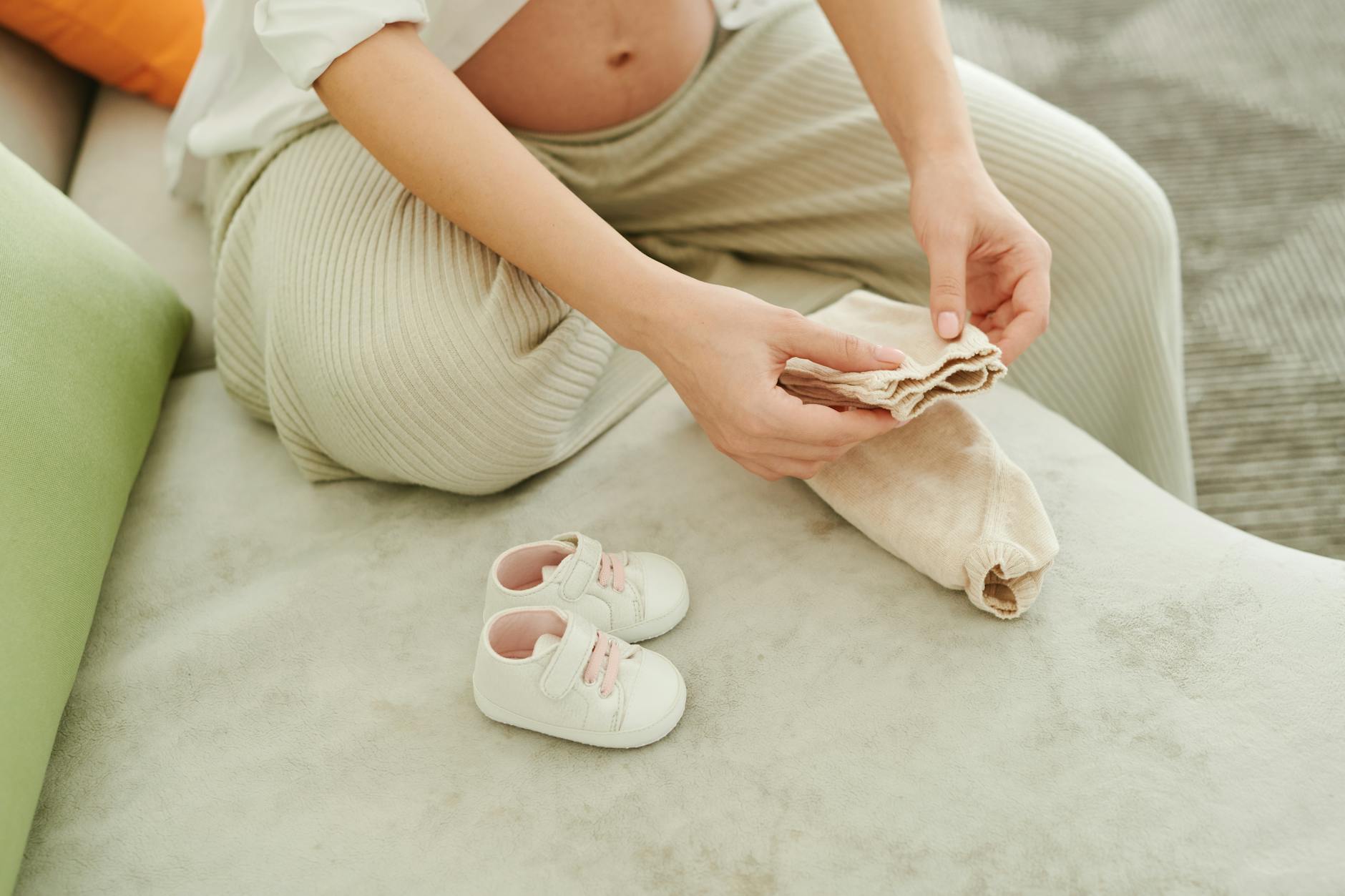
Photo by Matilda Wormwood
Baby’s small but essential hospital bag
Newborns need fewer things than most bags suggest. Pack several changes because spills and nappy leaks happen, then keep the rest simple.
Choose warm, breathable layers
Health New Zealand lists all-in-ones or stretch-and-grows, singlets, socks or booties, a hat, cardigan, and woollen or cotton blankets. Natural-fibre layers are easy to add or remove as the temperature changes.
Pack:
- Four to six newborn-sized all-in-ones or bodysuits.
- Two singlets and a cardigan or warm outer layer.
- Two pairs of socks or booties, plus a newborn hat for the trip home.
- Two light wool or cotton baby blankets, or blankets and muslin wraps suited to the season.
- One spare outfit in a separate pouch for discharge.
Keep a warm blanket nearby and choose easy-access layers to make skin to skin easier after birth, following your care team’s guidance.
Avoid bulky snowsuits beneath the harness. Dress baby in thin layers, then place a blanket over the harness once it is correctly fastened if needed.
Nappies, wipes, and cloth nappy choices
Bring newborn nappies and baby wipes unless your facility has confirmed what it supplies. Plunket also includes these items in its hospital bag advice for parents.
Disposable nappies are often the simplest choice for a short, unpredictable hospital stay. If you plan to use cloth nappies, take a small number, a wet bag, and a backup pack of disposables. Hospital laundering arrangements differ, so don’t expect staff to wash reusable nappies.
Start with enough for the first day rather than buying a huge stockpile before meeting your baby. This practical NZ newborn checklist helps separate first-week needs from nice-to-haves.
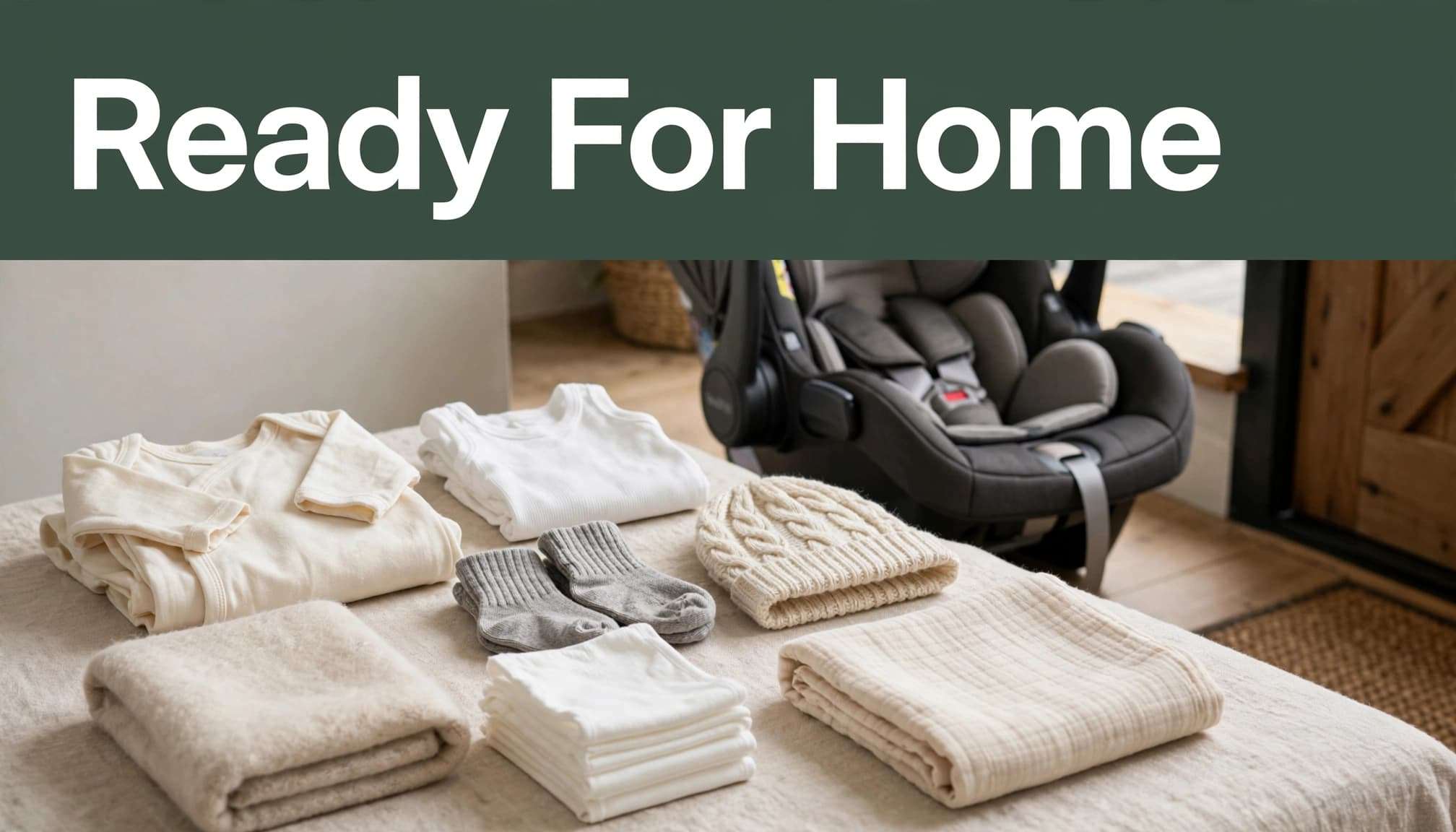
Pack for your birth partner or support person
Your support person needs their own small bag. Hunger, fatigue, and a flat phone battery can make it harder for them to stay present when you need them.
Keep their supplies separate
Ask about overnight rules first, because some facilities limit where support people can sleep or what bedding they provide.
A support-person bag should include:
- Snacks, a refillable water bottle, and money or a card for food.
- Phone, phone charger, and any required medication.
- A change of clothes, warm layer, toiletries, and pyjamas if an overnight stay is allowed.
- Their own pillow or light blanket if the facility permits it.
- Car keys, parking details, and a list of people to update after birth.
Give this person a quick tour of both bags before labour begins. They should know where the documents, spare clothes, snacks, and baby outfit are kept.
Plan for transfers and the trip home
A home birth or birthing-centre plan can change if you or your baby need hospital care. Preparing for a transfer doesn’t mean expecting one. It means you can leave without rushing through drawers.
Make a transfer-ready version
Keep the packed bag ready even if you plan to birth at home. Place it near the front door with your ID, medications, phone charger, baby clothing, and a warm blanket.
Save your LMC’s number, the maternity unit number, and your support person’s contact details in your phone. If you have older children or pets, have a simple care plan ready too.
Check the capsule car seat before labour begins
An approved child restraint or capsule is required for the journey home by car. Fit it before your due date, read the seat manual, and practise adjusting the harness with a doll or rolled blanket.
Plunket recommends having the capsule installed and ready before baby arrives. If you need help, book an installation check with a qualified child-restraint technician rather than waiting for discharge day.
A correctly installed restraint matters more than an expensive model or matching travel system.
A final packing review
Do a final check at 36 weeks, and again after any appointment where your care plan changes. This keeps packing purposeful.
Before you leave home, confirm you have:
- ID, birth paperwork, medications, phone, and phone charger.
- Labour comfort items, snacks, water, and warm layers.
- Postnatal clothes, maternity pads, toiletries, and feeding-friendly tops.
- Baby clothes, baby blankets, newborn nappies, baby wipes, and going home clothes.
- An approved, correctly fitted child restraint or capsule.
- Your hospital or maternity unit’s current instructions.
If you’re still deciding what to pack, skip duplicate gadgets and extra outfits. You can usually have non-essential items brought in later if you need them.
Frequently Asked Questions
When should I pack my hospital bag in New Zealand?
Many families pack between 33 and 36 weeks and keep the bag near the door or in the car. If you have a planned induction or caesarean, follow your LMC’s advice and pack earlier.
What should I pack in my labour bag?
Keep documents, your phone and charger, snacks, water, warm layers, and comfort items such as lip balm, hair ties, and a heat pack in an easy-to-reach bag. A small labour bag means your support person can find essentials quickly.
Does the hospital provide nappies and maternity pads?
Supplies differ between hospitals, maternity units, and birthing centres, so check your facility’s current information before packing. Bring newborn nappies, wipes, and at least three packs of maternity pads unless your unit confirms it provides them.
What should my baby wear home from hospital?
Pack easy-access layers such as a singlet, all-in-one, socks or booties, a hat, and a wool or cotton blanket suited to the season. Avoid bulky clothing beneath the harness; place a blanket over the correctly fastened restraint instead.
Do I need a capsule or car seat before the birth?
Yes, have an approved child restraint or capsule correctly fitted before your due date if you will travel home by car. Read the manual and arrange an installation check with a qualified child-restraint technician if you need help.
A bag that makes room for the moment
The best hospital bag is light enough to manage and complete enough to support your first hours with baby. Prioritise documents, comfort, recovery supplies, newborn layers, and a ready-to-use car seat.
Once those basics are packed, you can stop shopping for hypothetical needs and focus on the people who will be beside you when labour begins.