
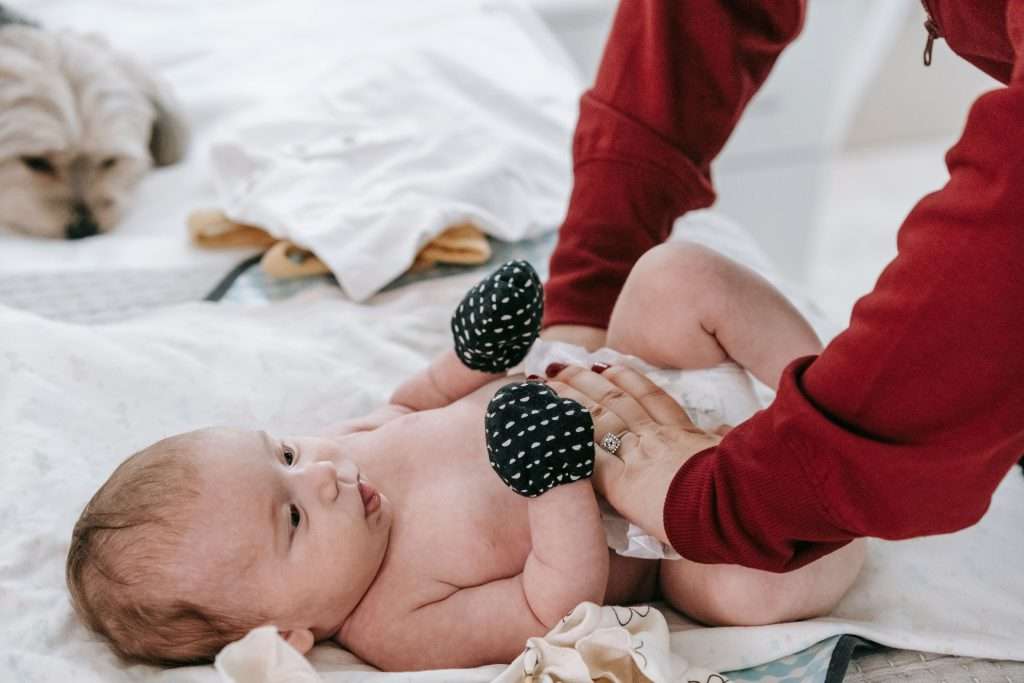
Changing Newborn Diaper: Best Nappies NZ Guide
Bringing home a newborn is exciting, beautiful, and yes, a little overwhelming too. One of the first everyday skills new parents need to learn is changing a newborn diaper confidently and calmly. At the same time, many families are also trying to work out which newborn nappies feel soft, fit well, protect against leaks, and still suit the weekly budget.
This guide is designed for New Zealand parents who want simple, trustworthy help. We’ll walk through changing newborn nappy step by step, explain what makes a good diaper for newborn comfort, compare the best newborn nappies NZ parents commonly look for, and share practical tips on prices, storage, and buying nappies online NZ without the stress of visiting multiple stores.
At NappyCare.store, we believe early parenting should feel easier. That means practical baby essentials, thoughtful baby gifts, quality-focused products, secure payments, special offers, and the convenience of shopping from home when leaving the house with a tiny baby feels like a major event.
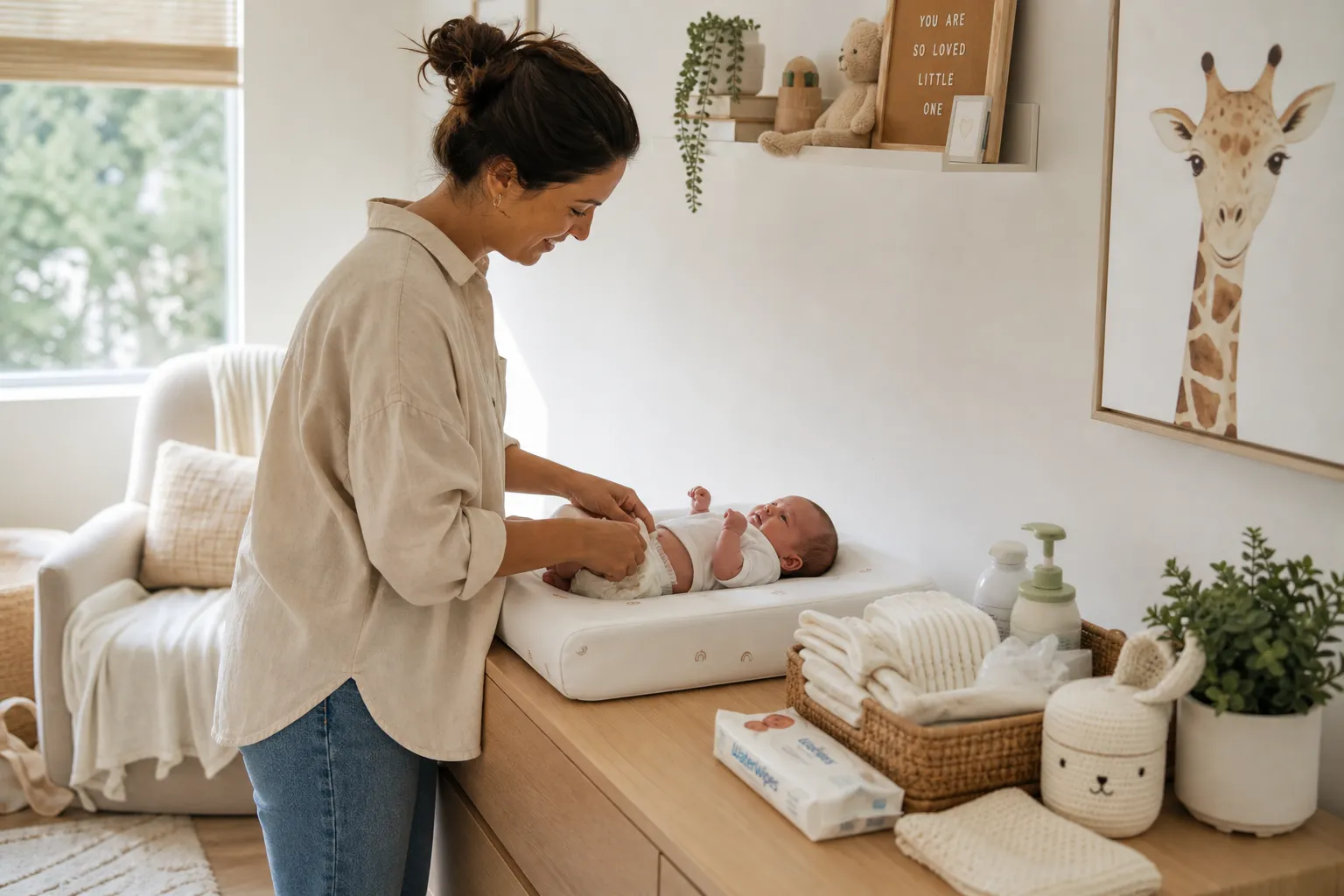
What makes the best newborn nappies?
The best newborn nappies are not always the most expensive ones. For most families, the right pick comes down to a balance of softness, fit, absorbency, convenience, and value.
Key features to look for
When choosing the best nappies for a newborn, focus on these essentials:
|
Feature |
Why it matters |
|---|---|
|
Soft inner lining |
Helps protect delicate newborn skin |
|
Good leg cuffs |
Reduces leaks around the thighs |
|
Snug but gentle waist |
Keeps the nappy secure without digging in |
|
Wetness indicator |
Makes changes easier, especially overnight |
|
Absorbency |
Keeps baby dry between feeds and sleeps |
|
Newborn size fit |
Smaller babies need a close fit to avoid blowouts |
|
Umbilical cord space or fold-down waist |
Helps avoid rubbing the healing cord stump |
Signs a nappy is a good fit
A good diaper for newborn babies should:
-
sit high enough at the back
-
fit closely around the legs without leaving deep red marks
-
fasten securely without gaps
-
stay in place when baby wriggles
-
contain both wee and runny newborn poos
If you are constantly seeing leaks up the back or around the legs, the issue is often fit rather than brand alone.
Disposable or cloth: which is better for newborns?
For many parents, this is one of the first big nappy decisions. The honest answer is that the best option is the one that fits your family’s routine.
Disposable nappies
Disposable newborn diapers are popular because they are:
-
quick to change
-
easy to pack in a nappy bag
-
convenient for night feeds
-
simple for grandparents or caregivers to use
-
widely available in different sizes and absorbency levels
They are often the easiest starting point in the first few weeks, when sleep is limited and nappy changes are frequent.
Cloth nappies
Cloth infant nappies may suit families who want:
-
less household waste
-
long-term savings
-
reusable options
-
more control over fabrics against baby’s skin
They do require washing, drying, and a consistent routine, so some parents prefer to mix cloth at home with disposables when out and about.
“You can use cloth nappies, disposable nappies, or a combination of both – it’s up to you.” – Whānau Āwhina Plunket
How to change a newborn nappy step by step
Learning to change a newborn nappy gets easier very quickly. The main goal is to keep your baby clean, dry, and comfortable while making the process safe and gentle.
What you need before you start
Have everything within arm’s reach before opening the nappy:
-
clean newborn nappy
-
cotton pads, soft cloth, or gentle wipes
-
warm water if needed
-
barrier cream if baby’s skin is irritated
-
change mat or safe changing surface
-
clean clothes or singlet in case of leaks
Never leave your baby unattended on a changing surface, even for a second.
Step-by-step changing newborn diaper routine
-
Wash your hands first.
Clean hands matter before and after every nappy change. -
Lay your baby on a safe, flat surface.
Keep one hand on your baby if they are wriggly. -
Open the dirty nappy.
Undo the tabs and fold the front of the nappy down. -
Clean the nappy area gently.
Wipe from front to back, especially for baby girls. For boys, place a cloth loosely over the area if needed to avoid surprise wees. -
Lift baby’s legs gently by the ankles.
Slide the dirty nappy out while supporting the lower body. Avoid lifting too high. -
Pat the skin dry if needed.
Dry skin helps reduce irritation. -
Apply barrier cream if needed.
A thin or thicker protective layer may help when skin looks red or irritated. -
Place the clean nappy underneath.
The back should sit level with the waist. For newborns, keep the nappy below the umbilical cord stump or fold the front down if needed. -
Pull the front up and fasten the tabs.
Secure snugly, but not too tight. You should be able to fit two fingers at the waist. -
Check the leg cuffs are out.
This small step helps prevent leaks. -
Dress baby and wash your hands again.
Tips to make newborn nappy changes easier
A few simple habits can make a big difference.
Change often
Newborns need frequent changes because they wee and poo often.
Keep night changes calm
Use soft light, quiet movements, and have supplies ready beforehand.
Use the right size
A loose nappy leaks. A too-tight nappy rubs and marks the skin.
Expect a learning curve
Even experienced parents get the occasional blowout. It happens.
How many nappies does a newborn use per day?
Most families are surprised by how many newborn nappies they go through in the early weeks. A baby can easily use a large stack of new born nappies NZ parents thought would last much longer.
“As a rule, newborns change nappies around 8-12 times a day.” – Baby Bunting New Zealand
A practical estimate
Here’s a simple guide:
|
Baby age |
Average nappy changes per day |
|---|---|
|
0–6 weeks |
8–12 |
|
6 weeks–3 months |
6–10 |
|
3–6 months |
6–8 |
Because fit and brand vary, it’s smart not to overbuy one size too early. Many parents prefer to buy newborn nappies in manageable amounts at first, then stock up once they know what works best.
How many newborn nappies should you buy?
A common mistake is buying far too many of one size before baby arrives. Some newborns stay in newborn nappies for several weeks, while others move up quickly.
A sensible starting plan
For most babies, a practical starting point is:
-
2 to 4 packs of newborn nappies
-
1 pack of the next size up
-
enough wipes or cloths for frequent changes
-
barrier cream on hand
This gives you flexibility if your baby grows quickly or one brand doesn’t suit them.
Best newborn nappies NZ parents should consider
No single brand is perfect for every baby. The best newborn nappies usually depend on your baby’s size, skin sensitivity, and how important price, softness, and leak protection are to your household.
Quick comparison table
|
Type |
Best for |
Pros |
Watch for |
|---|---|---|---|
|
Premium disposable |
Overnight dryness, sensitive skin |
Soft, absorbent, easy to use |
Higher cost |
|
Budget disposable |
Saving money on everyday changes |
Affordable, practical |
Fit and softness may vary |
|
Eco-focused disposable |
Families wanting lower-impact choices |
Plant-based materials, convenience |
Often pricier |
|
Cloth nappies |
Reusability and long-term savings |
Washable, less waste |
More laundry |
What parents usually want most
When shopping for the best infant nappies, most parents prioritise:
-
leak protection
-
soft feel
-
value for money
-
easy sizing
-
availability online
That’s why many families try one or two brands before committing to a larger order.
How to compare newborn nappies by price
Newborn nappies prices can look confusing because pack sizes vary so much. Instead of comparing pack price alone, compare the cost per nappy.
Example of how to compare value
|
Pack price |
Number of nappies |
Cost per nappy |
|---|---|---|
|
$12 |
24 |
$0.50 |
|
$20 |
44 |
$0.45 |
|
$32 |
76 |
$0.42 |
A larger pack may offer better value, but only if the fit works for your baby.
When cheap nappies are worth it
Cheap newborn nappies can be a smart choice when:
-
you need daytime nappies for frequent changes
-
your baby has no skin sensitivity
-
you want a budget-friendly backup brand
-
you’ve already tested the fit successfully
When paying more can make sense
A premium nappy may be worth it if:
-
your baby leaks often
-
overnight dryness matters
-
your newborn has very sensitive skin
-
you want softer materials or extra features
Nappy rash, leaks, and blowouts: what they usually mean
Parents often assume a rash or leak means they chose the wrong brand. Sometimes that is true, but not always.
Common reasons for leaks
-
nappy is too big
-
nappy is too small
-
tabs are uneven
-
leg cuffs are tucked in
-
baby needs more frequent changes
-
absorbency doesn’t suit your baby’s output
Common reasons for nappy rash
-
moisture sitting on the skin too long
-
friction from poor fit
-
sensitive skin reacting to wipes or fragrance
-
diarrhoea or frequent poos
Plunket recommends quick changes, gentle cleaning, and barrier protection when needed.
Newborn nappy buying tips for NZ families
If you are shopping for newborn nappies NZ wide, a little planning saves time and money.
Buy small first, then stock up
Test a couple of brands before buying bulk cartons.
Look at total routine costs
Your nappy budget may also include:
-
wipes or cloths
-
barrier cream
-
nappy bags
-
changing mats
-
spare bodysuits for leaks
Think about delivery convenience
When you have a newborn, the best store is often the one that saves you another errand. Ordering nappies online NZ can be a huge relief in the first months, especially after a rough night, a rainy day, or during cluster feeding.
Why buying nappies online can make life easier
New parents do not always have the time or energy to compare brands across multiple stores. That is where a practical online store becomes genuinely useful.
At NappyCare, families can shop for newborn nappies, baby care essentials, feeding accessories, maternity items, sleeping products, and thoughtful baby gifts in one place. Instead of driving across town for nappies Auckland families need right now, you can order from home, pay securely, and choose practical items that fit real everyday parenting.
Benefits of shopping with NappyCare
-
convenient online shopping from home
-
practical essentials for newborns, babies, and new parents
-
quality-focused selection
-
thoughtful gift options for baby showers and new arrivals
-
secure payments
-
value-driven offers
-
worldwide shipping
-
less time spent visiting multiple stores
For many families, that convenience matters just as much as the products themselves.
A simple newborn nappy checklist
Before baby arrives, it helps to have the basics ready.
Essential nappy change setup
-
newborn nappies
-
wipes or reusable cloths
-
warm water bowl or dispenser
-
barrier cream
-
changing mat
-
nappy disposal solution
-
spare onesies
-
hand sanitiser or easy access to handwashing
Helpful extras
-
larger caddy for upstairs and downstairs
-
portable changing pouch for the car
-
wet bag for cloth options
-
baby gift bundle for new-parent support
These also make practical and appreciated baby shower gifts.
Content gaps most guides miss
Many nappy articles stop at brand names or broad opinions. What parents often really need is clearer guidance on day-to-day use. Here are a few points that deserve more attention.
The best nappy may change as baby grows
A nappy that works beautifully in week one may not be the best newborn diaper by week six. Body shape, milk intake, sleeping stretches, and skin sensitivity all change.
Price only matters if the fit works
A cheaper nappy that leaks through three outfits is not really the cheaper option.
Online convenience is a real parenting advantage
Most guides discuss brand choice but ignore the fact that exhausted parents often just need a reliable way to buy newborn nappies quickly from home.
Nappies are also a thoughtful gift
Many gift buyers search for practical presents rather than decorative ones. Nappies, wipes, changing essentials, and gift cards can be far more useful than another cute outfit.
Final verdict
The best newborn nappies are the ones that keep your baby dry, protect delicate skin, fit well, and make everyday life easier for you. For some families, that means premium softness and overnight absorbency. For others, it means reliable value and affordable daytime changes. Most parents find their favourite by testing fit, absorbency, and comfort rather than relying on brand name alone.
If you want a simpler way to shop for new zealand nappies, baby care essentials, maternity products, and practical gifts, NappyCare is designed to help. You can browse from home, choose quality products for real family life, enjoy secure payments and special offers, and avoid the hassle of visiting multiple stores when your hands are already full.
FAQ
What are the best nappies for newborns in New Zealand?
The best choice is usually a nappy with soft materials, a snug fit, good absorbency, and reliable leak protection. In New Zealand, many parents compare premium, budget, and eco-focused options before deciding which one suits their baby’s skin and body shape best.
Should I change my baby’s nappy before or after they feed?
For many newborns, it helps to change the nappy before or midway through a feed if they tend to fall asleep afterwards. If your baby usually does a poo during or after feeding, you may need another quick change once the feed is finished.
Do newborns need size 0 or 1 nappies?
It depends on your baby’s birth weight and the brand’s sizing. Many newborns start in size 0 or newborn size, while bigger babies may fit size 1 sooner, which is why it is smart not to overbuy one size before birth.
What are the best nappies for newborns?
The best newborn nappies are those that fit well around the legs and waist, feel soft on delicate skin, and absorb well without leaking. A wetness indicator and a design that sits below the umbilical cord can also be very helpful in the early weeks.
How to choose nappies for a newborn?
Start by checking size, softness, absorbency, and fit. It is often best to buy a small number of packs first, test how they perform during both day and night, and then stock up on the option that keeps your baby comfortable and dry.
Which brand of diapers is best for newborns?
There is no single brand that suits every baby. The best brand is the one that gives your newborn the right fit, fewer leaks, gentle skin comfort, and good value for your family’s routine and budget.