
Preparing for a Newborn: What Parents Really Need
Getting ready for a baby can feel like a mix of excitement, pressure and total information overload. One minute you’re picturing tiny sleepsuits and cuddles, and the next you’re staring at endless lists of gear wondering what is actually necessary. If you’re preparing for a newborn, the good news is this: you do not need to buy everything at once, and you do not need a perfectly styled nursery to be a good parent.
What you really need is a practical plan. Focus first on the basics that support your baby’s feeding, sleep, hygiene, transport and comfort. Then build from there based on your home, your routine and your baby’s personality.
At NappyCare.store, we believe early parenting should feel simpler, not more stressful. That’s why many New Zealand families prefer convenient online shopping from home for practical baby essentials, nursing accessories, newborn gifts and everyday products that save time and reduce the need to visit multiple stores.
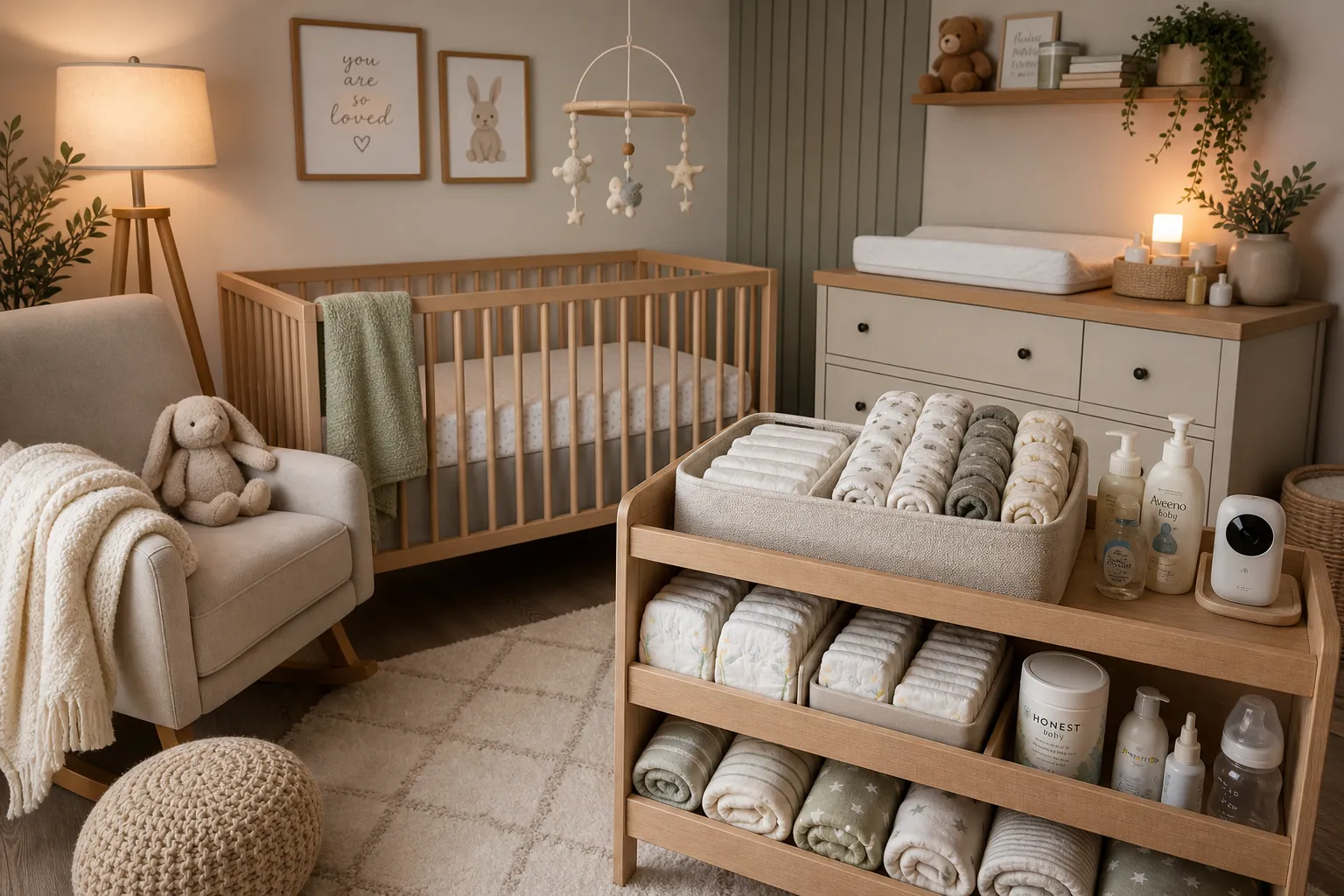
What Parents Actually Need Before Baby Arrives
Most high-ranking guides agree on the core idea: start with the essentials. Where many articles fall short is in helping parents distinguish between must-haves now, nice-to-haves later, and things that look useful but often go unused.
A simple way to think about it is this:
| Category | Must-have before birth | Can wait |
|---|---|---|
| Sleep | Safe sleep space, fitted sheets, swaddle or sleep bag | Extra nursery decor, fancy furniture |
| Feeding | Bottles or breastfeeding basics, burp cloths | Steriliser, bottle warmer, extra gadgets |
| Nappy changing | Nappies, wipes, barrier cream, changing mat | Dedicated changing table, wipe warmer |
| Clothing | A small rotation of onesies, sleepsuits, socks, hats | Large wardrobe, shoes, special outfits |
| Travel | Approved car seat, pram or baby carrier | Multiple transport options |
| Bath and care | Towels, washcloths, baby wash, thermometer | Bath toys, grooming extras |
The biggest mindset shift? Buy for the first few weeks, not the first full year.
Start With the Non-Negotiables
Before you think about aesthetics or accessories, make sure these are sorted:
A safe place for baby to sleep
Your baby needs a firm, flat sleep space such as a bassinet, cot or bedside sleeper with a snug fitted mattress and fitted sheets.
A safe way to travel
An appropriate car seat is essential, especially for the trip home from hospital or birth centre. Install it ahead of time so you’re not learning in a rush.
Feeding basics
Whether you plan to breastfeed, express, formula feed or combine methods, have the basics ready rather than overcommitting to one approach before baby arrives.
Nappy-changing supplies
You’ll go through these immediately, so stock enough for the early days without going overboard on newborn sizes.
Comfortable clothing
Soft, easy-to-change clothes are much more useful than outfits that look cute but make changes awkward at 3 a.m.
The Real Newborn Essentials Checklist
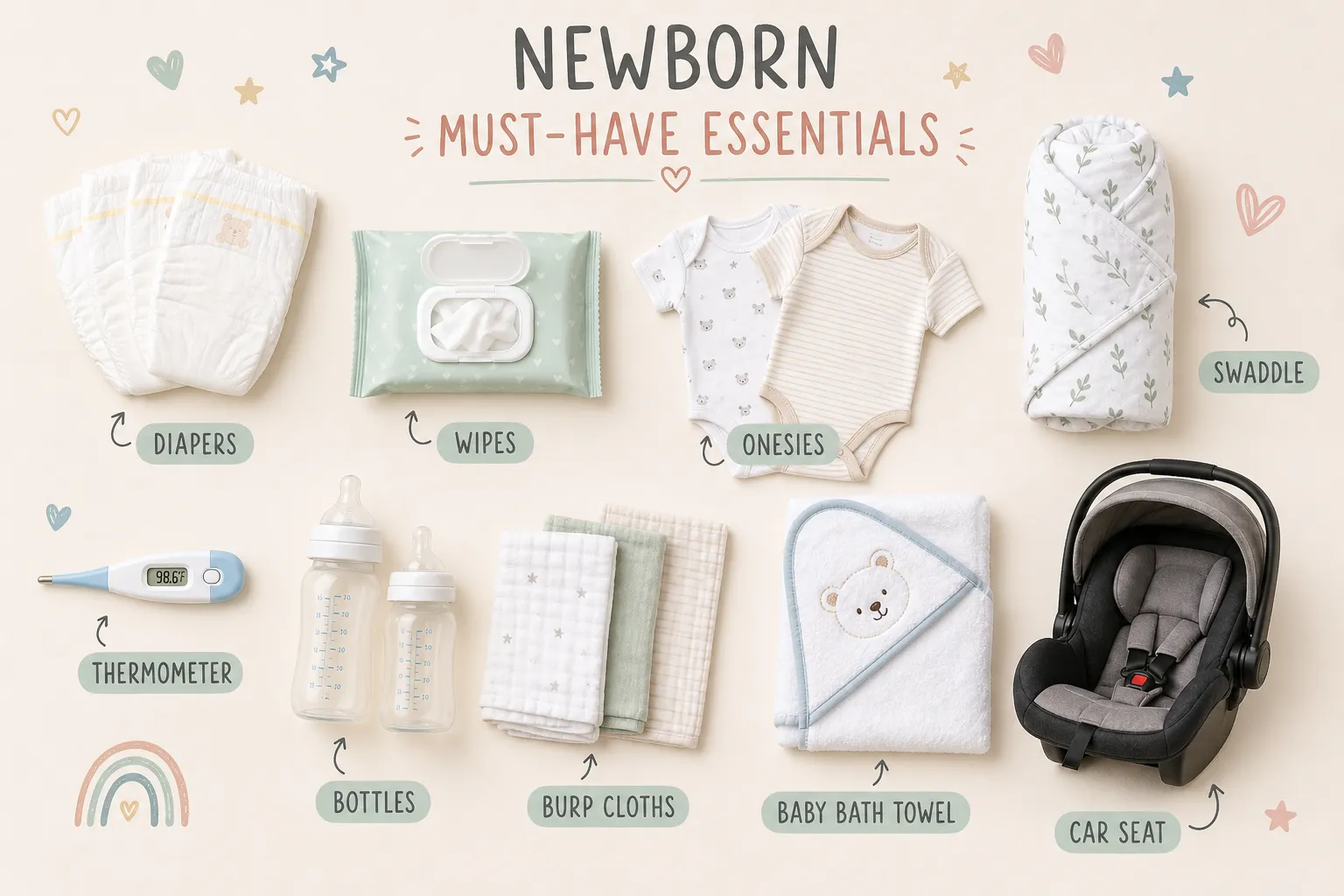
Here’s a realistic checklist for first-time parents.
Sleep essentials
- Bassinet, cot or other safe sleep space
- Firm mattress that fits properly
- 2–4 fitted sheets
- 2–3 swaddles or newborn sleep bags
- Baby monitor if helpful for your layout
Feeding essentials
- 4–8 bottles if bottle feeding or combination feeding
- Newborn teats in a slow flow
- Burp cloths
- Bibs
- Breast pads if breastfeeding
- Nipple balm or cream
- Breast pump if needed
- Milk storage bags or containers if expressing
Nappy essentials
- Newborn and size 1 nappies
- Baby wipes
- Nappy rash cream
- Changing mat
- Nappy bag for outings
Clothing essentials
- 6–8 onesies or bodysuits
- 6–8 sleepsuits
- Socks or booties
- 1–2 hats depending on season
- 1–2 cardigans or layers
- A few muslin cloths
Bath and care essentials
- Hooded towels
- Soft washcloths
- Gentle baby wash
- Baby nail care tool
- Thermometer
- Saline or basic health items recommended by your care provider
Transport essentials
- Car seat
- Pram or stroller
- Baby carrier if you want hands-free movement
- Rain cover or sun shade if suitable for your area
Nursery Setup: Keep It Functional, Not Perfect
A beautiful nursery is lovely, but a workable setup matters more than perfect styling. Some of the best competitor articles mention furniture and layout, but they often miss a key point: many newborn care tasks happen in the places you already spend time, not just in the nursery.
Create 3 practical zones
1. Sleep zone
Keep the sleep space simple and uncluttered. No loose blankets, pillows or stuffed toys in the cot.
2. Nappy zone
Have nappies, wipes, cream, spare clothes and a changing mat all within easy reach.
3. Feeding zone
A chair, water bottle, burp cloths, a phone charger and soft lighting can make late-night feeds much easier.
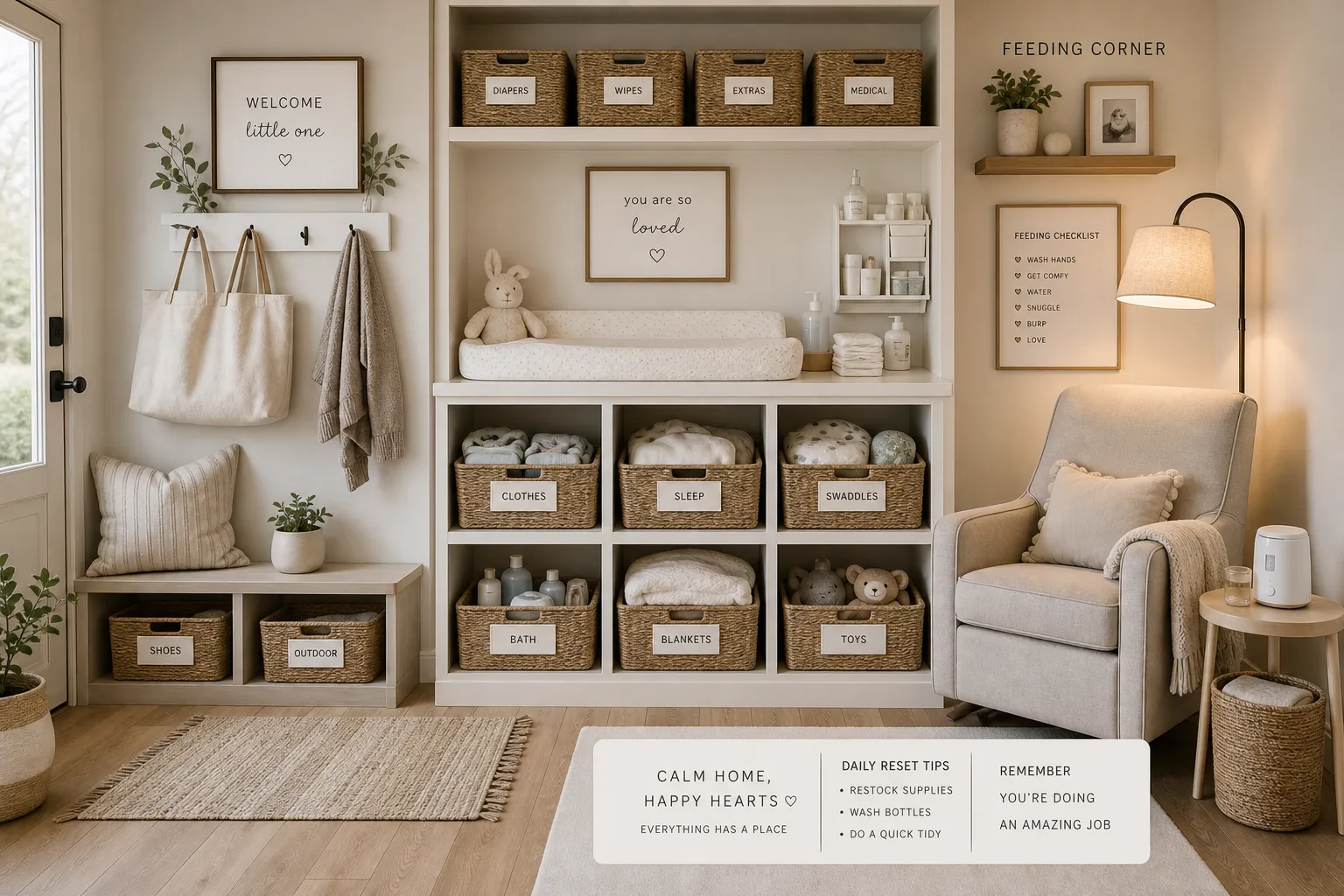
Think beyond the nursery
If your home has more than one level, consider a second small changing basket or feeding station downstairs. This saves constant trips and makes the early days feel far more manageable.
Feeding Basics Without the Overwhelm
Feeding is one of the biggest sources of anxiety for new parents. The most helpful approach is to stay flexible and prepare for more than one possibility.
If you’re breastfeeding
Start with the basics:
- Nursing bras or tops
- Breast pads
- Nipple care
- Feeding pillow if desired
- Pump only if you know you’ll likely use one early
If you’re bottle feeding
Start small:
- A few bottles, not a huge set
- Appropriate teats
- Bottle brush
- Formula if needed
- A simple drying area
If you’re combination feeding
This is common and worth preparing for. Have both breastfeeding support items and a small bottle-feeding setup ready.
A major content gap in many articles is that they treat feeding plans as fixed. Real life is often more fluid. Parents may begin one way and pivot quickly, so it helps to keep your setup practical rather than all-in.
Sleep Basics Every Parent Should Understand
Newborn sleep is rarely predictable. Planning around this reality can reduce disappointment and stress.
What newborn sleep is really like
Newborns usually sleep in short stretches, wake often to feed and may mix up day and night at first. That is normal.
“Newborns sleep about 16 hours or more.” – Nemours KidsHealth
That total sleep is usually broken into many chunks, which is why parents can feel exhausted even when baby seems to sleep a lot overall.
Helpful sleep prep tips
- Learn safe sleep guidelines before birth
- Keep nights calm and low-stimulation
- Have extra fitted sheets nearby
- Use swaddles or sleep bags only if appropriate and used safely
- Expect frequent waking in the beginning
Home Organisation That Saves Your Sanity
Preparing for a newborn is not just about products. It is also about reducing friction in your daily life.
Smart setup ideas
- Keep a small basket of essentials in the rooms you use most
- Wash baby clothes before birth
- Sort clothes by size instead of putting everything out at once
- Prep a few adult essentials too, such as snacks, water bottles and comfortable loungewear
- Store gifts and non-urgent items separately so the must-haves stay easy to find
Do one “easy week” shop
Before your due date, think beyond baby gear:
- Pantry basics
- Toiletries
- Laundry supplies
- Postpartum care items
- Easy freezer meals
This is one of the most overlooked content gaps in typical baby lists. Families are often told what to buy for baby, but not how to prepare the home so parents can function with less stress.
What You Can Skip at First
One of the best ways to save money is to avoid overbuying.
Often unnecessary right away
- Baby shoes
- Large quantities of newborn-size clothes
- Multiple blankets for the cot
- Fancy sterilising gadgets
- Wipe warmers
- Dedicated changing furniture
- Too many toys
- Big bottle sets before knowing baby’s preference
Better to wait and see
- Extra pacifiers in many styles
- Activity centres
- Special sleep gadgets
- Extra transport gear
- Decorative nursery items
This is where NappyCare can be especially helpful. Instead of spending hours comparing dozens of products across multiple stores, parents can choose from a practical, quality-focused selection designed around everyday family needs.
Realistic Planning Tips Before Birth
Pack for the first month, not forever
Choose enough supplies to get started, then reorder as you learn what works.
Leave room for baby’s preferences
Babies can be surprisingly particular about bottles, sleepwear and feeding rhythms.
Accept that “ready” is not a perfect feeling
You may never feel 100% prepared, even with every item checked off. Prepared often looks like:
- the basics are ready
- the car seat is installed
- feeding supplies are washed
- a sleep space is safe
- you know who to call for support
Prep support, not just products
Line up practical help if possible:
- meal support
- school pickups for older children
- pet care
- a friend who can do a chemist run
- someone to talk to when emotions run high
A Better Way to Shop for Newborn Essentials
Many parents discover that the hardest part is not deciding what they need – it is finding everything efficiently. Visiting multiple shops, comparing brands and carrying bulky items home is not always realistic late in pregnancy or with a newborn in tow.
That’s why NappyCare is built around convenience for families:
- practical baby essentials for daily life
- products for newborns, babies and new parents
- thoughtful baby shower and newborn gift ideas
- secure payments
- value-driven offers
- worldwide shipping
- a time-saving way to shop from home
For gift buyers, this also makes life easier. Instead of guessing, they can choose thoughtful, useful presents or gift cards that genuinely help growing families.
Final Thoughts
Preparing for a newborn is less about having everything and more about having the right things. Start with safe sleep, feeding basics, nappies, simple clothing and transport. Build a home setup that supports real life. Skip the pressure to be perfect.
If you want a simpler, more practical way to get ready, NappyCare helps you shop confidently from home with a quality-focused range made for everyday parenting. Whether you’re buying for your own baby or looking for a thoughtful gift for someone else, it’s an easy way to save time and feel more organised before baby arrives.
FAQ
What do newborn parents really need?
Newborn parents mainly need the core essentials: a safe sleep space, nappies, wipes, simple clothing, feeding supplies and an approved car seat. Everything else can be added gradually once you learn what fits your baby, your home and your routine.
What is the 3-3-3 rule for newborns?
The “3-3-3 rule” is often used informally to describe adjustment periods, but it is not a formal medical guideline for newborn care. In practical terms, most parents find the first days, first weeks and first months each bring new rhythms, so flexible expectations matter more than strict rules.
Which weeks are considered the hardest for newborns?
Many families find the first 2 to 6 weeks the most intense because feeding is frequent, sleep is broken and everyone is still adjusting. That said, every baby is different, so “hardest” often depends on feeding, recovery and support at home.
What are some tips for first-time moms who have newborns?
Keep things simple, focus on the essentials and accept help when it is offered. A practical setup for feeding, sleep and nappy changes will help far more than buying lots of extra gear you may not use.
What are common mistakes new parents make?
Common mistakes include overbuying, assuming one feeding method or product will definitely work, and putting too much pressure on creating a perfect nursery. It is usually better to buy the basics first and adapt once baby arrives.
What to expect in the first 2 weeks with a newborn?
Expect lots of feeding, frequent nappy changes, short sleep stretches and a steep learning curve. The first two weeks are usually about recovery, bonding and finding a simple rhythm, not having everything fully figured out.