

It is 5:30pm on a Tuesday, your baby is ten days old, and you are about to attempt the first real bath. The kitchen sink has been scrubbed. The water is lukewarm, tested with your elbow twice. You have a clean nappy laid out, a sleepsuit unzipped and ready, and a gentle baby wash within reach. But as you lower your slippery, wriggling newborn into the water, you realise the towel you grabbed is an adult hand-me-down, scratchy, and roughly the size of a small blanket. You fumble to wrap them with one hand while supporting their head with the other, and by the time they are dry, they are cold and crying.
If you are assembling your newborn kit, our newborn essentials guide for NZ parents covers every category with specific quantities. This guide goes deep on one item that often gets overlooked: baby towels. The right towel is not about cute animal prints. It is about absorbency, softness on brand-new skin, and how fast it dries on an indoor rack when the humidity in Auckland is sitting at 85 percent or your Dunedin laundry is struggling to warm up in July.
Quick Answer: How Many Baby Towels Do You Really Need?
Four to six baby towels is plenty for a newborn. If you wash every second day, four covers you with a buffer. If you stretch to every third day (and in the first weeks, you might), six gives you breathing room. You do not need ten. You do not need the twelve-pack. Buy a mix of fabrics: two hooded cotton towels for everyday use, one or two muslin towels for humid summer drying, and one bamboo towel if your baby has sensitive or eczema-prone skin. That is your starting kit.
Here is the practical rule that saves you money: you are not buying towels for a year. You are buying for the newborn stage, when your baby is bathed two to three times a week (not daily, as Plunket recommends sponge baths or top-and-tail cleaning for the first few weeks). Towels get lightly used, not heavily soiled. Four to six is more than enough, and you can always add more if a particular fabric works well for your baby.
The First Bath Scene (and Why the Right Towel Matters)
Newborn skin is fundamentally different from adult skin. It is thinner, more permeable, and loses moisture faster. The outermost layer, the stratum corneum, is still developing in the first weeks of life, which means rough textures, harsh detergents, and prolonged dampness can all cause irritation. The towel you choose is the first thing that touches your baby’s skin after warm water, and it does two jobs: it absorbs moisture quickly without dragging, and it helps regulate body temperature in the minutes after the bath when babies are most vulnerable to chilling.
This is why fabric choice is not a aesthetic decision. A towel that is too rough can cause redness and micro-abrasions on delicate skin. A towel that is too slow to dry in NZ’s damp climate can harbour mildew, which triggers respiratory irritation and skin reactions. And a towel that is too thin may not provide enough warmth in a draughty bathroom in July. The three main fabrics available in New Zealand each handle these demands differently.
Hooded Cotton Towels: The Everyday Workhorse
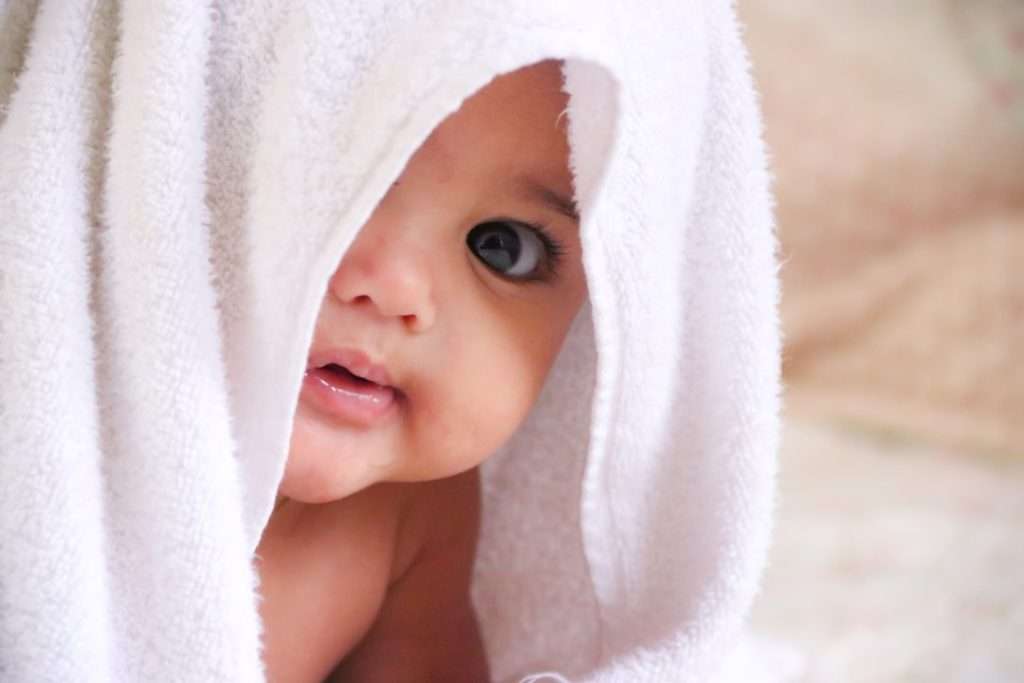
Hooded cotton towels are the default choice for most NZ parents, and for good reason. Cotton is absorbent, durable, holds up to frequent washing, and the hood design helps retain body heat immediately after the bath. A good hooded cotton towel measures around 70 x 70 cm for newborns, which is large enough to fully wrap a small baby without excess fabric getting in the way.
Pros
- Absorbent enough to dry a wet baby quickly without rubbing
- The hood retains warmth, which matters for newborns who lose body heat fast
- Durable and holds up to frequent hot washing without degrading
- Readily available across New Zealand at a range of price points
- Can be used from newborn through to toddlerhood in larger sizes
Cons
- Standard cotton terry can feel slightly rough on very sensitive newborn skin, especially before the first few washes
- Thicker terry cotton is slow to dry on indoor racks during NZ winter, taking 12 to 24 hours in a damp, unheated laundry
- Cheaper cotton towels can pill and lose softness after repeated hot washing
How Many to Have on Hand
Two to three hooded cotton towels is the sweet spot. They are your daily go-to, and having a spare means one can be in the wash or drying while the other is ready for bath time. If you live in a humid region like Auckland or Northland where drying takes longer, three is safer than two.
Muslin Towels: Lightweight and Quick-Drying
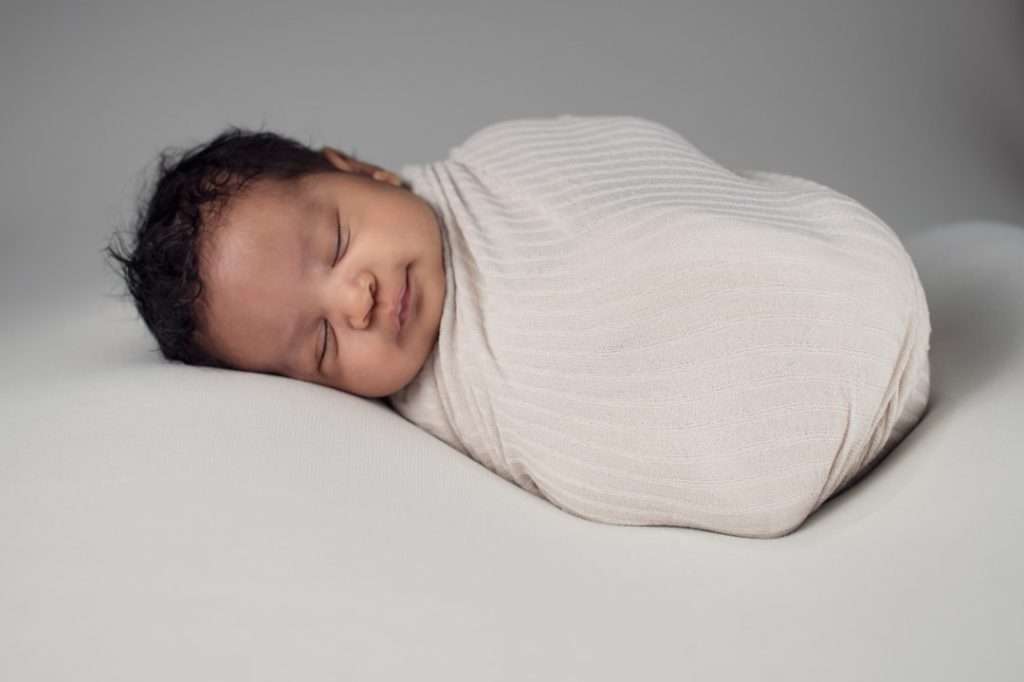
Muslin is a loosely woven cotton fabric that is been used for centuries for baby wraps and cloths. As a towel, muslin is the lightest option available, which makes it the fastest to dry in NZ’s humid climate. If you have ever stood in a laundry on a February afternoon in Auckland with the dehumidifier running and towels still damp from yesterday, you will understand why this matters.
Pros
- Dries in 2 to 4 hours on an indoor rack, even in humid conditions, compared to 12 to 24 hours for terry cotton
- Open weave is extremely gentle on sensitive or eczema-prone skin
- Lightweight and compact, ideal for the hospital bag or nappy bag
- Multi-use: doubles as a light swaddle, burp cloth, or pram shade
- Gets softer with every wash
Cons
- Less absorbent than cotton terry or bamboo, so you may need to pat longer or use two layers
- Thin enough that it provides minimal warmth after the bath; pair with a hood or wrap quickly
- Not ideal for winter baths in cold, draughty bathrooms where you need the towel to hold warmth
- Can feel insubstantial if you are used to thicker towels
How Many to Have on Hand
One to two muslin towels. They are your summer and humid-climate backup, not your everyday towel. If your baby is due in December or January, or you live in a high-humidity region, lean towards two. If you are in a drier part of the South Island, one is enough.
Bamboo Towels: The Premium Soft Option
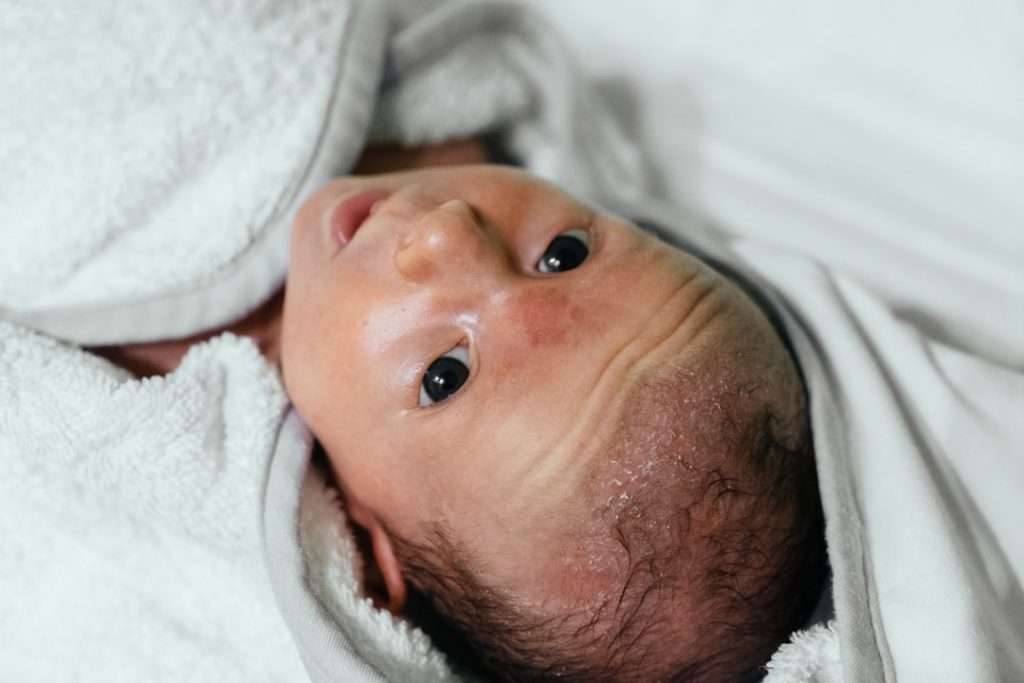
Bamboo fabric is made from cellulose extracted from bamboo pulp, and it has become increasingly popular in baby products over the past decade. As a towel material, bamboo is noticeably softer than cotton from the very first use, and it has natural antibacterial properties that help prevent the musty smell that can develop in towels drying slowly in damp NZ conditions.
Pros
- Exceptionally soft from day one, with no break-in period needed
- Naturally antibacterial and odour-resistant, which helps in humid NZ climates where towels dry slowly
- Highly absorbent, absorbing up to three times its weight in water, compared to cotton’s roughly two times
- Ideal for eczema-prone or allergy-sensitive skin, as bamboo is naturally hypoallergenic
- Temperature-regulating: feels cool in summer and warm in winter
Cons
- Slower to dry than cotton or muslin, which is a real drawback in NZ winter when indoor drying is already slow
- More expensive than cotton and muslin, often two to three times the price per towel
- Can pill over time if washed with rougher fabrics or dried on high heat
- Less widely available in NZ stores compared to cotton options
Is It Worth It?
One bamboo towel is worth adding to your kit if your baby has eczema, sensitive skin, or a family history of allergies. It is your premium, special-occasion towel rather than your daily workhorse. For most families without skin concerns, good-quality cotton does the job well. But if you have the budget and you want the softest possible option for those first few weeks, bamboo is a genuine upgrade that you will feel the difference in.
Fabric Comparison: Which Baby Towel Material Wins?
Here is a side-by-side comparison of the three main baby towel fabrics, rated for the factors that matter most to NZ parents. Use this as your decision framework when building your kit.
| Fabric | Softness | Absorbency | Drying Speed (NZ Climate) | Price Range (NZD) | Best Age |
|---|---|---|---|---|---|
| Hooded Cotton | Good (improves with washing) | High | Slow: 12 to 24 hrs indoors in winter | $12 to $25 per towel | Newborn to toddler |
| Muslin | Excellent (very gentle) | Medium | Fast: 2 to 4 hrs even in humidity | $8 to $15 per towel | Newborn (light use) |
| Bamboo | Excellent (soft from first use) | Very high (3x water weight) | Slow: 18 to 30 hrs indoors in winter | $20 to $35 per towel | Newborn (sensitive skin) |
Caring for Baby Towels
How you wash and dry your baby towels affects both their softness and their lifespan. The rules are straightforward, but they do make a difference, especially in New Zealand where indoor drying is common and humidity can be a real issue.
Washing Temperature and Detergent
Wash baby towels at 40 degrees Celsius with a fragrance-free, enzyme-free detergent. A 40-degree wash is hot enough to remove most bacteria and milk residue without degrading the fabric fibres the way a 60-degree wash can over time. Avoid fabric softener entirely. Fabric softener coats the fibres in a silicone layer that makes towels feel softer but destroys their absorbency. After a few washes with softener, a towel that felt plush will start repelling water instead of absorbing it.
Drying in NZ Conditions
In summer, line-drying outside is ideal. UV light naturally sanitises and the breeze keeps towels fresh. In winter, when outdoor drying is not realistic, use an indoor drying rack in the room with the best airflow. Avoid drying baby towels on a heated towel rail at high heat, as this can damage bamboo and muslin fibres and make cotton stiff. If you use a dryer, use a low or warm setting rather than hot. Muslin dries so quickly that you may not need a dryer at all, which is one of its biggest advantages in a damp NZ winter.
When to Replace
Replace baby towels when they become stiff, lose absorbency, or develop a persistent smell that remains after washing. This is a sign of bacterial buildup in the fibres, which is common when towels dry slowly in humid conditions. Most cotton and muslin towels last 12 to 18 months with weekly washing. Bamboo may last longer but is more prone to pilling. If you notice fraying edges or thinning fabric, it is time to replace them.
Building Your Bathtime Kit
The combination that works for most NZ families is two hooded cotton towels, one to two muslin towels, and one bamboo towel if your budget allows. That is four to five towels total, which covers a two-to-three-day wash cycle with a spare. If you are also planning your bath setup, our baby bath seat guide covers the safety considerations for supporting your baby in the tub, and our newborn essentials checklist puts towels in context alongside every other category you need.
If you are assembling your kit and want to browse options in one place, NappyCare.store carries a range of baby towels in cotton, muslin, and bamboo. Every order ships free within New Zealand with a 30-day hassle-free return policy, so if a fabric does not work for your baby, you are not stuck with it. For medical questions about your baby’s skin or bath routine, talk to your midwife, GP, or call PlunketLine free on 0800 933 922.
You are doing an amazing job, and we are so excited to be part of your family’s story.
Frequently Asked Questions
Can I use regular towels on a newborn?
You can, but most adult towels are too rough for newborn skin, which is significantly thinner and more sensitive than adult skin. A regular towel in good condition is fine in a pinch, but for daily use, a dedicated baby towel in cotton, muslin, or bamboo is gentler and sized appropriately for wrapping a small baby.
What size towel fits a baby bath?
Most baby towels designed for newborns measure around 70 x 70 cm, which is large enough to fully wrap a newborn after a bath without being bulky. Square towels in this size are the most versatile because they fold neatly and dry faster than larger rectangular ones. Toddler-sized towels (around 90 x 90 cm) are better from 12 months onward.
Should I buy hooded or flat baby towels?
Hooded towels are worth it for newborns because the hood helps retain body heat immediately after the bath, when babies lose warmth quickly. Flat towels are more versatile as your baby grows and can double as a change mat or burp cloth. A mix of two hooded and two flat towels covers both stages.
How often should I replace baby towels?
Replace baby towels when they become stiff, lose absorbency, or develop a persistent smell even after washing. Most cotton and muslin towels last 12 to 18 months with weekly washing. Bamboo towels may last longer but are more prone to pilling. If you notice fraying edges or thinning fabric, it is time to replace them.