
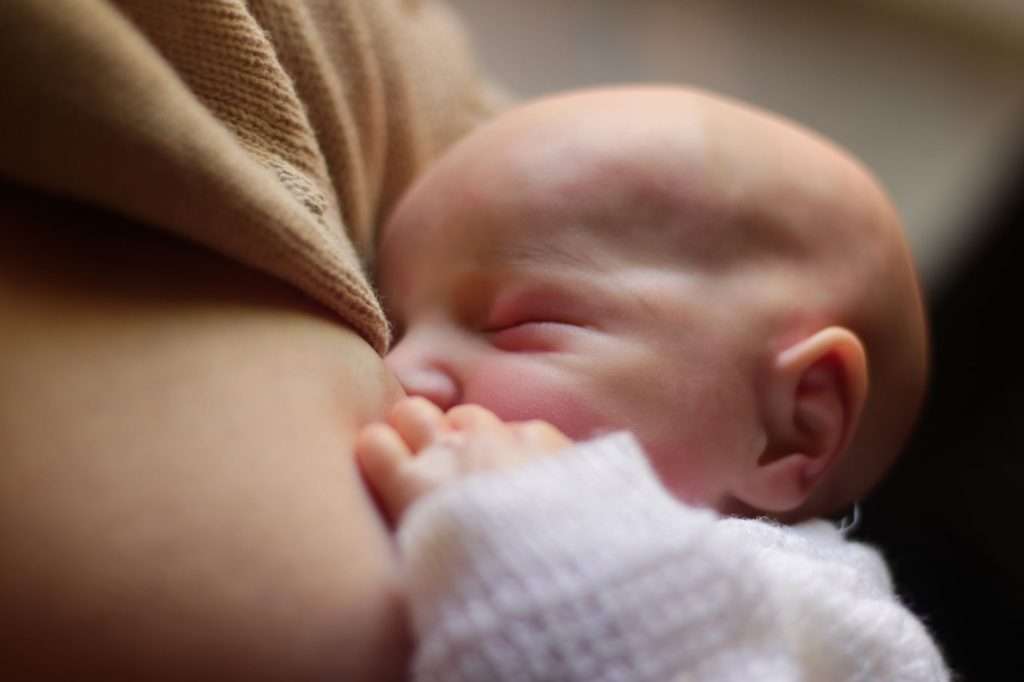
It is 3am, your baby is four days old, and you are feeding in the dim glow of a phone screen. Your nipples sting. Your back aches from hunching. You reach for something to wipe the milk dribbling down your front and find nothing within arm’s reach. The nipple cream is in the bathroom. The burp cloths are in the wash. The water bottle you swore you would keep full is empty. Every new breastfeeding mum has had a version of this night, and the difference between a hard night and a manageable one often comes down to what you prepped beforehand.
The pressure to “be prepared for everything” sends many first-time parents into a buying spiral that fills a nursery cupboard with products they never touch. Breastfeeding essentials are the worst offender. Stores sell breastfeeding “starter kits” with fifteen items, and half of them solve problems you will not have. The truth is that breastfeeding essentials split neatly into two phases: what you need before baby arrives, and what you add once feeding is established, usually after the first couple of weeks. Buying everything at once wastes money and clutters your feeding space with gear you may never use.
This guide walks you through both phases with honest advice on what to buy, what to skip, and what to wait on. It also covers the free breastfeeding support available to every new mum in New Zealand, because the most essential breastfeeding tool is not a product at all. It is knowing where to get help when feeding gets tough.
What You Actually Need Before Baby Arrives
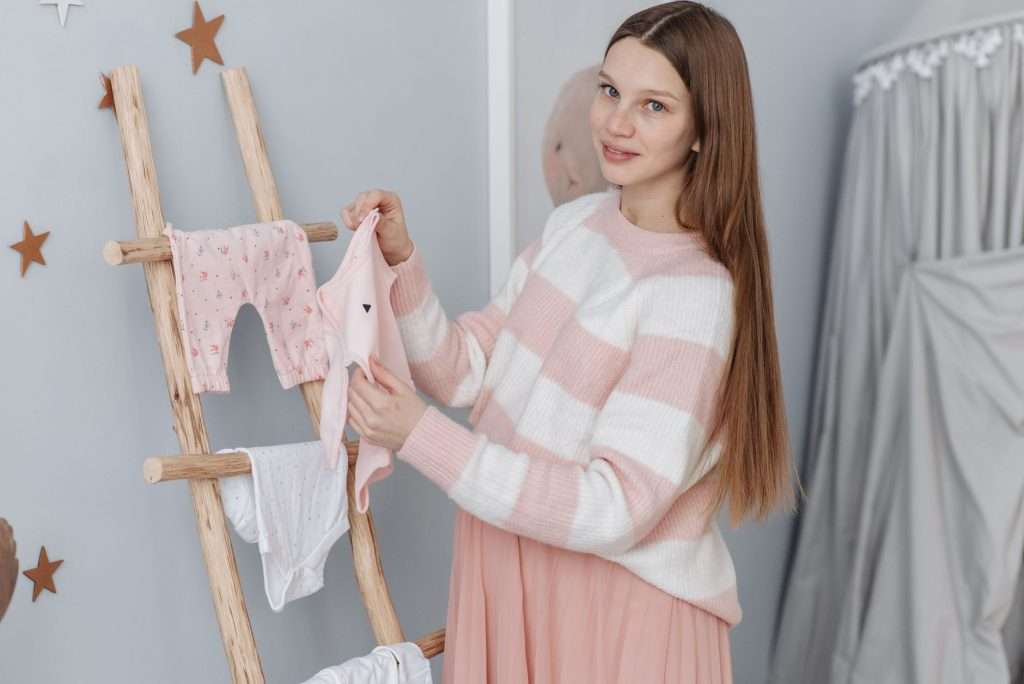
Your pre-baby breastfeeding kit comes down to six items that keep you comfortable, clean, and hydrated through the early days of learning to feed. That is it. Everything else can be bought later, once you know how feeding is going for you and your baby. Feeling anxious about not having enough is normal, but a small, well-chosen kit beats a cupboard full of unopened gadgets every time.
Breast Pads (2 to 3 pairs washable, or 1 box of disposables)
Your milk will come in around day three to five after birth, and when it does, you will leak. Sometimes both sides at once, sometimes when you feed on one side and the other lets down. Washable breast pads are softer, more breathable, and better for the environment. Two to three pairs get you through the daily rotation. If you prefer disposables for convenience, one box is enough to start. You can always buy more once you know how much you leak.
Nipple Cream (1 tube)
Nipple tenderness is common in the first week as your skin adjusts to your baby’s latch. A good nipple cream creates a barrier that helps cracked or sore skin heal. Look for a lanolin-based cream or a natural alternative with calendula or coconut oil. Pure lanolin does not need to be washed off before feeding, which matters at 3am when the last thing you want is another step. Apply after every feed in the early days.
Burp Cloths (4 to 6)
Newborns spit up. They also dribble milk, and posset after feeds. Muslin cloths are the cheapest, most versatile option. They double as light covers, shoulder protectors during winding, and emergency wipe-ups. Four to six is a good starting number because they get dirty fast and you will not always have energy for laundry. Some parents prefer dedicated terry burp cloths, which are thicker and more absorbent. Either works.
Nursing Bras or Tank Tops (2 to 3)
You need breastfeeding-accessible tops that open easily with one hand while you hold your baby with the other. Look for soft, wire-free nursing bras or tank tops with clip-down panels. Buy them on the larger side because your breasts will increase in size when your milk comes in. Two to three lets you rotate while one is in the wash. Comfort beats style here. You will live in these for weeks.
Water Bottles (1 to 2, kept at feeding stations)
Breastfeeding makes you thirsty. The moment your baby latches, you will feel a sudden, intense thirst that can be distracting. Keep a large water bottle at every feeding spot in your home, one in the bedroom and one in the living area. Refill them each time you pass. This sounds simple, but dehydration affects milk supply and your own recovery, so it ranks alongside cream and pads as a genuine essential.
Comfortable Feeding Spot Setup
This is not a product, it is a strategy. Set up two feeding stations before baby arrives: one in your bedroom and one in your main living area. At each station, keep your water bottle, breast pads, nipple cream, burp cloths, and a phone charger with a long cable. You will spend hours in these spots every day. Having everything within arm’s reach during a feed is the difference between feeling calm and feeling stranded.
What to Skip Before Birth
Do not buy a breast pump before your baby arrives. You do not yet know whether you will need one, what type suits your situation, or how often you will use it. The same goes for milk storage bags, nipple shields, and nursing covers. These are solutions to problems you may not have. Buying them now is driven by anxiety, not need, and the guilt of “not being prepared” is a feeling, not a fact. You will be prepared. You will just be prepared with the right items at the right time, not every item all at once.
Wait-and-See Items: Add These Once Feeding Starts
After the first two weeks, you will know more about your feeding journey than any checklist could have predicted. You will know whether your baby latches well, whether you have oversupply or undersupply, whether you want to express, and whether your nipples need extra support. That is when these items earn their place. Add them based on what is actually happening, not on what a store suggests might happen.
| Item | When to Add | Why It Waits | How to Know You Need It |
|---|---|---|---|
| Breast pump (manual or electric) | After 2 to 3 weeks, once latch and supply are established | You may not need to express at all if feeding goes well. Buying too early means guessing at the type you need. | You want to share feeds, build a stash, or return to work. A lactation consultant can help you choose the right type. |
| Milk storage bags or containers | When you start expressing regularly | No point storing milk until you are producing more than your baby drinks. Oversupply in the early weeks does not mean you need a freezer stash. | You are expressing more than your baby takes per feed, or your partner wants to do evening feeds. |
| Haakaa or silicone milk collector | After week 1 to 2, once let-down is established | These collect let-down from one side while you feed on the other. Useful, but only once your let-down reflex is consistent. | You notice significant leaking from the non-feeding side and want to save that milk rather than lose it to a breast pad. |
| Nipple shields | Only if advised by a lactation consultant or Plunket nurse | Shields can help with latch issues, flat or inverted nipples, or premature babies. But they can also reduce milk transfer if used without guidance. | Your baby struggles to latch, or feeding is painful despite positioning help. Get professional advice before using. |
| Nursing cover or shawl | Only if you plan to feed in public and want privacy | Many mums prefer a muslin cloth draped over the shoulder or feed in a parents’ room. A dedicated cover is optional. | You feel self-conscious feeding in public and want a purpose-made cover with a structured neckline. |
| Hydrogel pads | After birth, if nipples are sore or cracked | These cooling pads soothe damaged skin, but not everyone needs them. If your latch is good and nipples are fine, they sit unused. | Your nipples are cracked, blistered, or stinging between feeds, and nipple cream alone is not enough. |
| Bottles and teats | Only if you decide to express or combo feed | Every baby prefers different teat shapes and flow rates. Buying before birth means guessing at what your baby will accept. | You are expressing regularly and want someone else to feed your baby, or your lactation consultant suggests supplemental feeds. |
| Nursing pillow | Optional, after the first week | Many mums use regular cushions successfully. A dedicated pillow helps with positioning after a caesarean but is not essential for everyone. | You are uncomfortable feeding with standard cushions, or you had a caesarean and need raised positioning support. |
The pattern here is simple: wait until you have a real problem, then buy the specific solution. If you are unsure whether an item is right for you, call Plunket’s free lactation consultant service on 0800 933 922. They can tell you whether a breast pump, nipple shields, or a nursing pillow will actually help your situation, or whether you need to adjust your latch or positioning instead. That phone call is free, available 24/7, and could save you hundreds of dollars on gear you do not need.
NZ-Specific Support: Plunket, Lactation Consultants, and Free Resources

The single most valuable breastfeeding essential in New Zealand costs nothing. Plunket offers free lactation consultant support to every breastfeeding person in Aotearoa, whether or not Plunket is your WellChild provider. Their team of International Board Certified Lactation Consultants (IBCLC) is available by phone or video call, day or night, and the service is genuinely free with no hidden costs. If you take one thing from this guide, let it be this phone number: 0800 933 922.
PlunketLine: Free 24/7 Breastfeeding Support
PlunketLine is a free, 24/7 phone service staffed by nurses who can help with breastfeeding questions. If you are experiencing pain, worried about your milk supply, or just need reassurance that what you are feeling is normal, call them. They can also book you a free video consultation with one of their lactation consultants. The video consult happens over Microsoft Teams, and you can have a support person with you. Appointments are available during the day, evenings, and weekends to fit around feeding schedules.
Community Lactation Consultants and Family Centres
Plunket also has community lactation consultants and Family Centres across the country, some of which offer drop-in breastfeeding support clinics. Ask your Plunket nurse what is available in your area, or call Plunket’s admin line on 0800 184 803 for details. For in-person support from a private lactation consultant, the New Zealand Lactation Consultants Association has a directory you can search by region. Private consultations come at a cost, but publicly funded lactation consultants are often available through your local DHB or primary health provider.
La Leche League and Peer Support Groups
The La Leche League offers free mum-to-mum breastfeeding support across New Zealand. Their local group meetings are a chance to meet other breastfeeding mums, ask questions in a non-judgmental space, and get practical help from mothers who have been there. Plunket Family Centres in some areas also run drop-in support groups. Check Plunket’s breastfeeding support page or ask your LMC midwife for groups near you.
Free NZ Breastfeeding Apps
Two free, New Zealand-made apps are worth downloading before your baby arrives. Mama Aroha covers breastfeeding basics including skin-to-skin, feeding cues, latching, hand expressing, and milk storage, with visuals and te reo Maori kupu throughout. BreastFedNZ covers evidence-based topics from cluster feeding to growth spurts, breastfeeding twins, and premature babies. Both are free and designed specifically for the NZ context, which means the guidance aligns with Plunket and Ministry of Health recommendations rather than overseas advice that may not apply here.
Antenatal Colostrum Expression
If you are planning to breastfeed, talk to your midwife about antenatal colostrum expression. Hand expressing and freezing colostrum in the last few weeks of pregnancy is recommended for some women, including those with diabetes in pregnancy, planned caesarean birth, or a history of low milk supply. Even if you do not fall into these categories, learning to hand express before birth is a skill that will help in the first week. Ask your LMC midwife for an expressing kit and guidance on when to start and how to store it.
Common Purchasing Mistakes First-Time Mums Make

Most breastfeeding buying mistakes come from one place: fear. The fear that you will be caught out, unprepared, at 3am with a hungry baby and the wrong product. That fear is real and valid, but it leads to three specific patterns that waste your money and clutter your space. Recognising them now saves you from the buyer’s remorse that hits around week three when you realise half your purchases are still in their packaging.
Mistake 1: Buying a Breast Pump Before You Need One
This is the most common and most expensive mistake. Electric breast pumps cost anywhere from $100 to $500, and you may not need one at all. If your baby latches well, feeds effectively, and you are not planning to return to work or express regularly, a pump sits in a cupboard. Wait until you know your feeding situation. If you do need one, your lactation consultant or Plunket nurse can recommend the right type: manual for occasional expressing, single-electric for regular daily use, or double-electric for building supply or returning to work.
Mistake 2: Buying a “Breastfeeding Starter Kit”
Pre-packaged breastfeeding kits look like a smart shortcut, but they are designed to sell products, not to match your actual needs. They typically include items like nursing covers, milk storage bags, nipple shields, and breast shell collectors, bundled together regardless of whether you will use them. You end up paying for items you do not need and still missing the one or two things that actually matter. Buy your six essentials individually and add items as your situation demands. For the broader picture of what you do and do not need in the newborn period, our newborn essentials guide for NZ parents breaks down every category with honest skip-it advice.
Mistake 3: Stockpiling One Brand of Bottles or Teats
If you decide to express or combo feed, do not buy six of the same bottle before your baby has tried one. Every baby has preferences. Some take to a wide-neck teat immediately, others prefer a narrow one. Some want a slow flow, others are impatient and need something slightly faster. Buy one or two bottles to start, see how your baby feeds, then buy more of the winner. The same principle applies to nursing bras: buy one, test the fit and clip mechanism, then buy more.
Mistake 4: Buying Specialist Laundry Detergent
“Baby-safe” laundry detergents marketed for breastfeeding mums and newborns are usually just fragrance-free detergents at a premium price. A standard, fragrance-free detergent without enzymes works for most families. Save the money for breast pads and burp cloths, which you will go through quickly. If your baby develops sensitive skin, talk to your Plunket nurse before switching detergents.
Mistake 5: Thinking Products Will Fix a Latch Problem
Nipple cream, hydrogel pads, and nipple shields all have their place, but none of them fix the root cause of painful feeding: a latch that needs adjusting. If feeding hurts beyond the first few seconds of attachment, the answer is not a product, it is professional support. Call PlunketLine on 0800 933 922 and ask for a lactation consultant video call. They will watch you feed, check your positioning, and give you specific adjustments that no cream or shield can replace. This is the single most important thing you can do for your breastfeeding journey.
Frequently Asked Questions
These are the questions first-time expectant parents in New Zealand ask most often about breastfeeding essentials. If yours is not here, remember that PlunketLine is free on 0800 933 922, 24 hours a day.
Building Your Breastfeeding Kit
Your breastfeeding essentials list is shorter than you think, and that is a good thing. Six items before baby arrives: breast pads, nipple cream, burp cloths, nursing bras, water bottles, and a well-stocked feeding station. Everything else comes later, once you know your baby and your body. The pressure to buy everything now comes from stores, not from evidence, and the guilt of feeling underprepared is something every first-time mum feels. It does not mean you are doing it wrong. It means you care, and that is exactly what your baby needs.
When you are ready to assemble your kit, NappyCare.store carries a range of breastfeeding essentials including breast pads, nipple cream, nursing accessories, and burp cloths. Every order ships free within New Zealand and comes with a 30-day hassle-free return policy, so if a product does not work for you, you are not stuck with it. For the full picture of what your newborn will need across feeding, sleep, clothing, and care, our newborn essentials checklist for NZ parents covers every category with the same honest approach: what to buy, what to skip, and what can wait.
And if you are struggling with feeding, please call PlunketLine on 0800 933 922. Their lactation consultants are free, kind, and genuinely expert. No question is too small. You deserve to feel calm and confident about feeding your baby, and you do not have to figure it out alone.
You are doing an amazing job, and we are so excited to be part of your family’s story.
Frequently Asked Questions
What breastfeeding essentials do I need before my baby arrives?
Six items: 2 to 3 pairs of washable breast pads, 1 tube of nipple cream, 4 to 6 burp cloths, 2 to 3 nursing bras or tank tops, 1 to 2 water bottles for feeding stations, and a setup of two comfortable feeding spots with everything within arm’s reach. Everything else can be added after the first couple of weeks once you know your feeding situation.
When should I buy a breast pump?
Wait until 2 to 3 weeks after birth, once your latch and milk supply are established. You may not need a pump at all if feeding goes well. If you do need one, your lactation consultant or Plunket nurse can recommend the right type for your situation, whether that is a manual pump for occasional expressing or a double-electric pump for building supply or returning to work.
Is free breastfeeding support available in New Zealand?
Yes. Plunket offers free lactation consultant support via phone or video call to all breastfeeding people in New Zealand, whether or not Plunket is your WellChild provider. Call PlunketLine free on 0800 933 922, 24/7. They also have community lactation consultants and drop-in support groups at some Family Centres. The La Leche League offers free mum-to-mum support nationwide.
Do I need nipple shields before my baby is born?
No. Nipple shields can help with latch issues, flat or inverted nipples, or premature babies, but they can also reduce milk transfer if used incorrectly. Only use them if advised by a lactation consultant or Plunket nurse after they have assessed your feeding. Buying them before birth means guessing at a problem you may not have.
What should I skip buying for breastfeeding?
Skip breast pumps, milk storage bags, nipple shields, nursing covers, bottles, and pre-packaged breastfeeding starter kits before birth. Also skip specialist baby laundry detergent, as a standard fragrance-free detergent works for most families. Add items only once you have a specific need for them, not in anticipation of problems you may never have.