
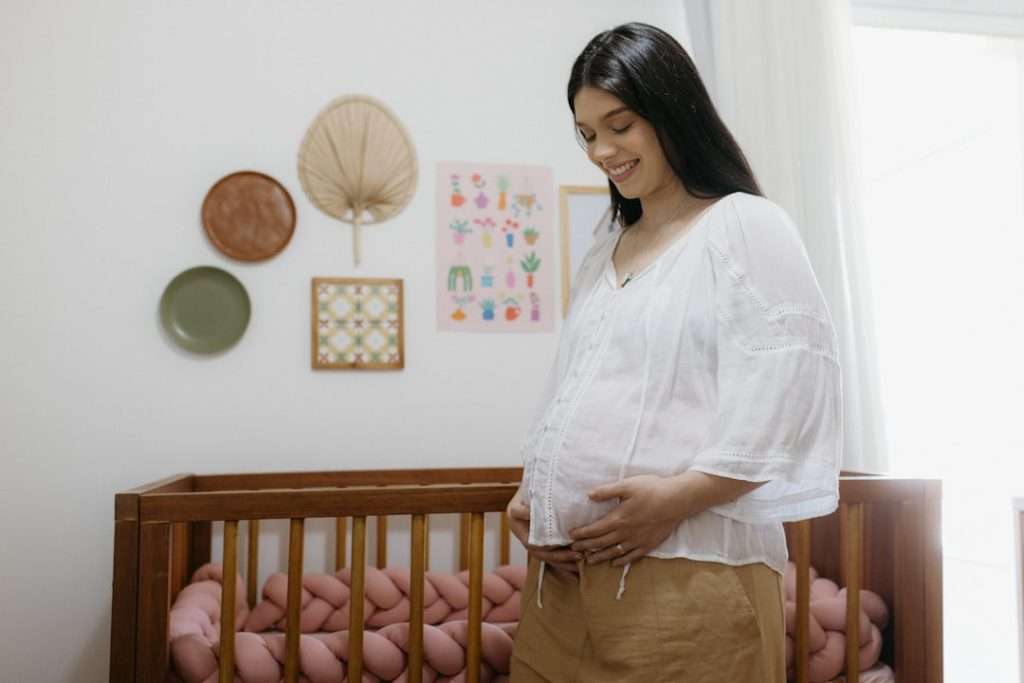
It is 2am, you are holding a six-day-old baby, and you cannot remember whether you packed the burp cloths in the hospital bag or left them in the nursery drawer. Every parent has been there. The overwhelm of preparing for a newborn is real, and the shopping lists online seem to grow longer every time you look. This newborn essentials list is designed to cut through the noise: what you actually need, how many of each, and what you can safely skip.
The Quick Answer: What You Really Need in the First Month
If you are staring at a empty nursery and a mounting online cart, here is the bare minimum to get through the first four weeks: a safe sleep space, a firm mattress with two fitted sheets, six to eight bodysuits, four sleepsuits, a pack of newborn nappies, wipes, a changing mat, two to three swaddles or sleep bags, feeding supplies (whatever method you choose), and a digital thermometer. That is it. Everything else is a bonus or a convenience you can buy later once you know what your baby actually prefers.
The trap most first-time parents fall into is buying for every possible scenario before the baby arrives. Babies have opinions. They may hate the expensive swaddle you bought, refuse certain bottle teats, or outgrow newborn clothes in ten days. Buy enough to function, then top up as needed. Nappycare stocks a range of these essentials if you want to browse options, but the point is: start small.
Nursery and Sleep Essentials

Your baby needs a safe, flat, firm place to sleep and not much else for the nursery in the early weeks. Plunket’s safe sleep guidance is clear: baby should sleep on their back, in their own sleep space, in the same room as you for at least the first six months, with nothing near their face (no loose blankets, pillows, bumpers, or toys). The sleep surface must be firm and flat with a mattress that fits flush to all edges.
Sleep space: bassinet or cot?
A bassinet is handy for the first few months because it is portable and keeps baby at bedside height. Most babies outgrow it by around four to five months or when they start rolling. A cot lasts years. If budget is tight, skip the bassinet and go straight to a cot set up in your room. Any cot sold in New Zealand must meet the safety standard AS/NZS 2172:2003, and second-hand cots must meet it too. Check for a safety standards sticker and inspect for loose parts.
Mattress and sheets
Buy the mattress new, even if the cot or bassinet is second-hand. It must be firm, flat, and fit flush with no gaps at the edges. For bassinets, Plunket notes the mattress should be no more than 40mm thick. Two fitted sheets minimum (three is better, because blow-outs happen at 3am), and that is all that goes in the bed. No mattress protectors that add padding, no bumpers, no loose blankets.
Swaddles and sleep bags: tog ratings for NZ
Tog ratings tell you how warm a sleep bag or swaddle is. New Zealand homes vary wildly in temperature depending on your region, insulation, and whether you run a heater overnight. Here is a practical guide based on common NZ room temperatures:
- 0.2 tog (24 to 27 degrees): Summer nights in Auckland, Northland, or any well-heated room. Lightweight and breathable.
- 1.0 tog (20 to 24 degrees): Spring, autumn, and mild summer nights. The all-rounder for many NZ homes.
- 2.5 tog (16 to 20 degrees): Winter nights and unheated rooms. The staple for most South Island and Wellington winters.
- 3.5 tog (below 16 degrees): Cold, unheated rooms in deep winter. Not commonly needed if you have a heater, but useful in older, drafty homes.
For most families, a 1.0 tog and a 2.5 tog cover the year. Buy two of each so you have a spare when one is in the wash. If you are due in summer, start with two 1.0 tog bags and add a 2.5 tog before winter. Merino sleep bags are popular in NZ because they are not tog-rated but naturally regulate temperature across a wider range, which suits our variable climate. Check the tog and dressing guides from the brand you buy, as layering underneath also affects warmth.
What you can skip
- Cot bumpers. Plunket explicitly lists these as unsafe.
- Expensive cot mobiles. Nice to have, not essential, and must be out of reach.
- Sheepskins. Not recommended if your family has a history of asthma or allergy, as they collect dust mites.
- Special “sleep positioners” or wedges. Plunket does not endorse these.
Bath, Hygiene and Changing

You do not need a dedicated changing table. A changing mat on top of a dresser, the floor, or your bed works fine. A portable changing mat is versatile for home and outings. For bathing, a baby bath is convenient but not essential. Many parents use a clean sink or shower with a parent in the early weeks. A soft towel, gentle baby wash, and a nail file are the core hygiene items.
Nappies and wipes
Newborns go through roughly 8 to 12 nappies a day in the first few weeks. Start with one or two jumbo packs of newborn size (usually up to about 5kg). Do not stockpile one brand until you know it fits your baby well, as shapes vary. Wipes: fragrance-free and alcohol-free are best for newborn skin. Some parents use cotton wool and water for the first few weeks, which is gentler and cheaper.
Nail care and health basics
Newborn nails grow surprisingly fast and are sharp. Baby nail clippers or scissors work, but a soft nail file is easier and safer for wiggly fingers. A digital thermometer (the underarm type is fine for home use) is essential for checking temperatures when your baby seems unwell. If your baby is under three months and has a temperature of 38 degrees or above, contact your GP or PlunketLine (0800 933 922) straight away.
Feeding Station
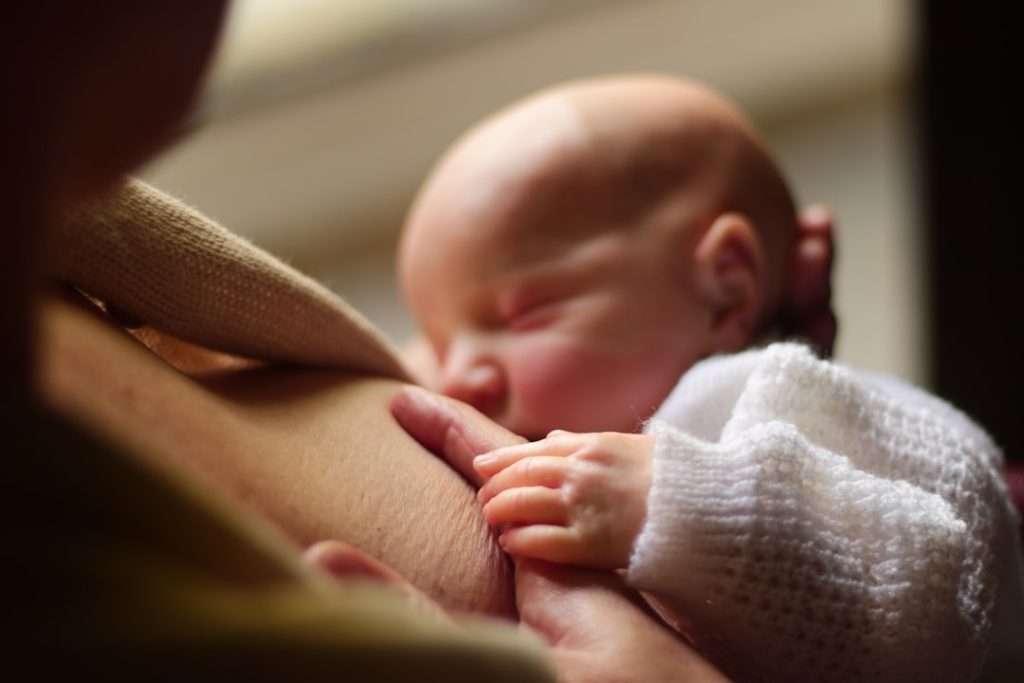
Whether you are breastfeeding, bottle feeding, or a combination of both, a few core items make feeding sessions more comfortable. The key is setting up a spot where you can sit comfortably with water within reach, because feeding sessions can last 30 to 40 minutes in the early days.
Breastfeeding basics
- Breast pads: 2 to 3 pairs (washable) or a box of disposables. You will leak, especially in the first few weeks.
- Nipple cream: 1 tube. Look for lanolin-based or natural options. Borrow advice from your midwife or lactation consultant on which to try.
- Burp cloths: 4 to 6. Muslin cloths are cheap and versatile. Old clean hand towels work too.
- Feeding pillow: Optional. A regular cushion or pillow can work, but a dedicated feeding pillow helps with positioning, especially after a caesarean.
Bottle feeding basics
- Bottles: 4 to 6. Start with a mid-range brand and slow-flow (newborn) teats. Babies can be fussy about teat shapes, so do not buy a full set until you know your baby accepts one.
- Formula: Stage 1 (newborn) formula. Do not stockpile, as babies can be sensitive to different brands. Start with one or two tins.
- Bottle brush: 1. For cleaning. A microwave steriliser is optional; you can also boil parts for five minutes.
Whatever feeding method you choose, have a water bottle for yourself nearby at every feed. You will be thirsty, and reaching for water with one hand while holding a baby is a skill you will master quickly.
Clothing by NZ Season
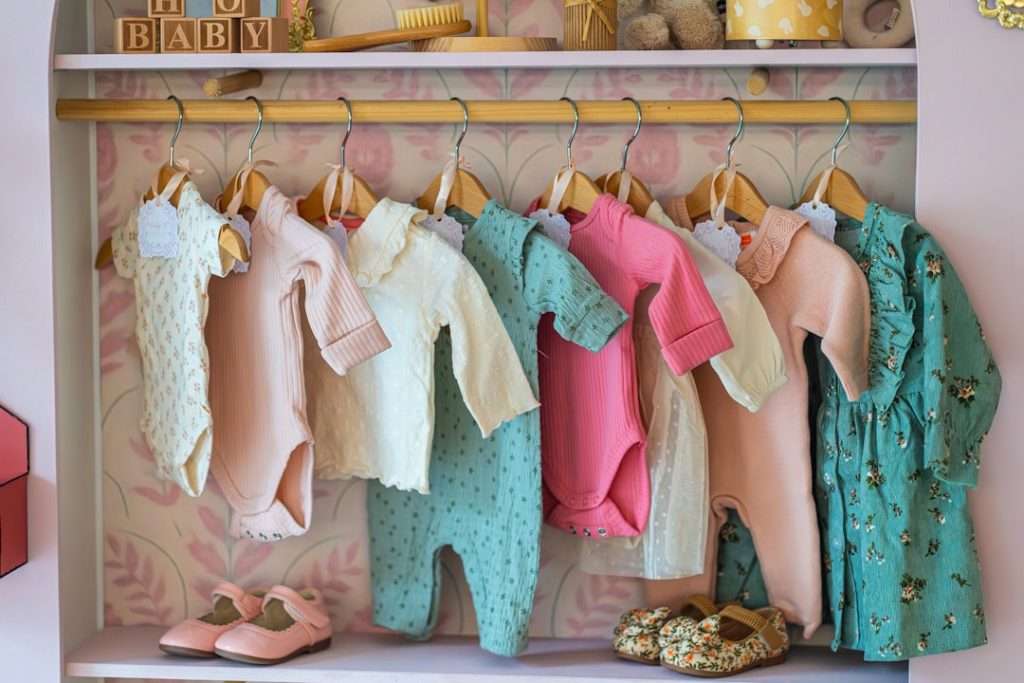
NZ baby clothing uses a sizing system based on age and weight, but the key thing to know is that sizes overlap and babies grow fast. Here is the sizing breakdown so you know what to buy:
| NZ Size | Age Guide | Weight | Height |
|---|---|---|---|
| 00000 | Tiny newborn | up to 3kg | up to 50cm |
| 0000 | Newborn | up to 4kg | up to 56cm |
| 000 | 0 to 3 months | 4 to 6kg | up to 62cm |
| 00 | 3 to 6 months | 6 to 8kg | up to 68cm |
Most full-term babies start in 0000. If your family tends to have smaller babies, or if you are expecting a premature arrival, grab a couple of 00000 sizes. If your baby is likely to be on the larger side (over 4kg), you may skip 0000 entirely and go straight to 000. Do not buy too many in one size. Six to eight bodysuits and four to six sleepsuits in 0000 is plenty to start.
If your baby is due in NZ summer (December to February)
- 6 to 8 short-sleeve bodysuits (0000)
- 2 to 3 lightweight sleepsuits (0000)
- 1 to 2 light layers (cardigan or zip jacket) for air-conditioned spaces or cooler evenings
- 1 sun hat (wide brim, soft) for outings. Keep baby in shade, not in direct sun.
- 0.2 or 1.0 tog sleep bag
If your baby is due in NZ winter (June to August)
- 6 to 8 long-sleeve bodysuits (0000)
- 4 to 6 sleepsuits (0000), preferably fleece or heavier cotton
- 2 to 3 warm layers (merino tops, cardigans)
- 1 to 2 warm hats and 1 to 2 pairs of socks
- 2.5 tog sleep bag (and a 3.5 tog if your home is cold and unheated)
If your baby is due in spring or autumn
- 6 to 8 bodysuits (mix of short and long sleeve)
- 4 sleepsuits (0000)
- 1 to 2 mid-weight layers
- 1.0 tog sleep bag, with a 2.5 tog on standby for cold snaps
Merino is your friend in New Zealand’s changeable shoulder seasons. It breathes when it is warm and insulates when it is cool, which is why it is so popular in NZ baby clothing. A couple of merino baselayers go a long way.
The Full 40-Item Checklist
Here is the complete list in one place, with quantities and honest borrow-or-buy guidance. Print it, screenshot it, stick it on the fridge.
| Item | Quantity | Borrow or Buy | NZ Season Note |
|---|---|---|---|
| Bassinet or cot | 1 | Borrow if possible | Check safety standard AS/NZS 2172:2003 |
| Mattress (new) | 1 | Buy new always | Firm, flat, fits flush to edges |
| Fitted sheets | 2 to 3 | Buy | Cotton or jersey, year-round |
| Sleep bag or swaddle 1.0 tog | 2 | Buy | Spring, summer, autumn nights |
| Sleep bag or swaddle 2.5 tog | 2 | Buy | Winter nights (16 to 20 degrees) |
| Sleep bag 0.2 tog (optional) | 1 | Buy if summer baby | Hot nights above 24 degrees |
| Room thermometer | 1 | Borrow | Helps pick tog rating |
| Bodysuits (0000) | 6 to 8 | Borrow or buy | Short or long sleeve by season |
| Sleepsuits (0000) | 4 to 6 | Borrow or buy | Heavier weight for winter |
| Bodysuits (000) | 4 | Buy after birth | Next size up, buy later |
| Warm layers (cardigans, merino tops) | 2 to 3 | Borrow or buy | Essential for winter, handy for autumn |
| Socks | 3 to 4 pairs | Buy | Winter mainly |
| Sun hat (wide brim) | 1 | Buy | Summer essential, keep in shade |
| Warm hat | 1 to 2 | Buy | Winter essential |
| Muslin wraps | 3 to 4 | Buy | Multi-use: shade, burp cloth, light cover |
| Newborn nappies | 1 to 2 jumbo packs | Buy | Do not overstock one brand |
| Wipes (fragrance-free) | 1 to 2 packs | Buy | Or use cotton wool and water |
| Cotton wool balls | 1 pack | Buy | Gentler for first weeks |
| Changing mat | 1 | Buy | Portable type is most versatile |
| Baby bath (optional) | 1 | Borrow | Sink or tub also works |
| Soft baby towels | 2 to 3 | Borrow or buy | Hooded towels are handy |
| Gentle baby wash | 1 bottle | Buy | Fragrance-free, pH balanced |
| Baby nail clippers or file | 1 | Buy | File is safer for newborns |
| Digital thermometer | 1 | Buy | Underarm type is fine for home |
| Breast pads | 2 to 3 pairs or 1 box | Buy | Washable or disposable |
| Nipple cream | 1 tube | Buy | For breastfeeding mums |
| Burp cloths | 4 to 6 | Borrow or buy | Muslin or old hand towels |
| Bottles | 4 to 6 | Buy | Slow-flow teats for newborns |
| Formula (stage 1) | 1 to 2 tins | Buy | Do not stockpile, try first |
| Bottle brush | 1 | Buy | Sterilise by boiling or microwave |
| Feeding pillow (optional) | 1 | Borrow | Regular cushion also works |
| Water bottle (for you) | 1 to 2 | Buy | Keep at every feeding spot |
| Pram or pushchair | 1 | Borrow or buy second-hand | Test fold and boot fit |
| Car seat (rear-facing) | 1 | Buy or borrow | Must meet NZ safety standard, legally required |
| Car seat base | 1 | Buy with seat | Check vehicle compatibility |
| Baby carrier or wrap | 1 | Borrow to try first | Hands-free, great for unsettled babies |
| Portable changing mat | 1 | Buy | Keep in pram or car |
| Spare nappies and wipes (in bag) | 4 to 5 nappies | Buy | Refill after each outing |
| Spare bodysuit (in bag) | 1 to 2 | Buy | For blow-outs on the go |
| Blanket (lightweight) | 1 to 2 | Borrow or buy | For pram shade or extra layer |
On-the-Go: Hospital Bag and Pram Kit
Pack your hospital bag around 36 weeks. The essentials for baby in the bag are: two to three bodysuits (0000), one sleepsuit, two swaddles or wraps, five to six newborn nappies, a going-home outfit, and a warm layer if it is winter. For yourself: maternity pads, comfortable clothes, toiletries, a phone charger with a long cable, and snacks.
For the pram kit (the bag that lives in or under the pram), keep it minimal: a portable changing mat, four to five spare nappies, a small pack of wipes, one spare bodysuit, one spare sleepsuit, a lightweight blanket, and a water bottle for you. Refill after each outing. You do not need to bring the entire nursery every time you leave the house.
Frequently Asked Questions
Common questions from first-time parents preparing their newborn essentials list.
Ready When You Are
If you are working through this checklist and realising you still need a few items, Nappycare carries a range of newborn essentials including nappies, wipes, sleep bags, and feeding supplies. Browse the collection and take it one section at a time. You do not need everything on day one, and you can always add more once you meet your baby and learn what works.
For medical questions about your pregnancy, your baby’s health, or safe sleep setup, talk to your midwife, GP, or call PlunketLine free on 0800 933 922. They are there to help, and no question is too small.
Frequently Asked Questions
How many newborn nappies do I need per day?
Newborns typically go through 8 to 12 nappies a day in the first few weeks. Start with one or two jumbo packs of newborn size, then switch to infant size as your baby grows. Buying in bulk saves money, but do not stockpile too many of one brand until you know which fit your baby best.
Do I need a changing table?
No, a dedicated changing table is not essential. Many parents use a changing mat on top of a dresser, the floor, or the bed. A portable changing mat is versatile and works at home and on the go. Save the space and the money for something else.
What can I skip to save money on newborn essentials?
You can safely skip wipe warmers, bottle sterilisers if you have a microwave, special baby laundry detergent, newborn shoes, expensive cot mobiles, and baby baths. A sink or tub works fine for bathing, and regular detergent without enzymes works for most babies.
What tog sleep bag do I need for a New Zealand baby?
For most NZ homes, a 2.5 tog sleep bag covers winter nights when room temperatures sit between 16 and 20 degrees, and a 1.0 tog works for spring, summer, and autumn when rooms are 20 to 24 degrees. If your home gets very warm in summer, add a 0.2 tog as well.
How many clothes do I really need for a newborn?
Six to eight bodysuits and four to six sleepsuits in size 0000 are a good starting point. Add a couple of 00000 (tiny newborn) sizes if your baby might be small. Babies grow quickly, so avoid buying too many in one size. You can always buy more after the birth once you know what fits and what works.