
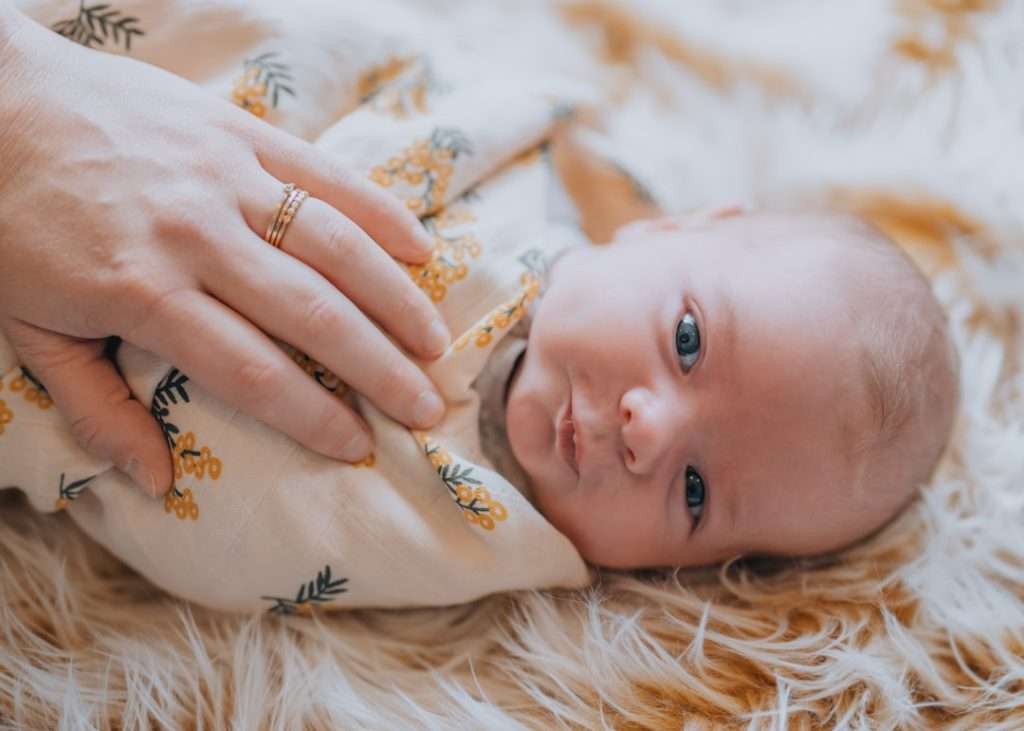
Choosing the best newborn swaddle for baby can feel confusing, especially when you are deciding between a traditional wrap, an arms-up swaddle or a baby sleep bag. Each option is designed for a different stage and sleeping preference, so the right choice depends on your baby’s age, development, room temperature and how they settle.
In this guide, we’ll compare newborn swaddle wraps, arms-up swaddles and baby sleep bags to help NZ parents understand the differences. We’ll also explain when to transition from swaddling, how to choose the right warmth level and the important safe-sleep guidance to keep in mind.
For tired parents in the fourth trimester, the goal is not finding one magical product. It is matching the sleepwear to your baby’s stage, your room temperature, and safe sleep guidance. If you are also working out the bigger picture around overnight setup, our safe sleep guidance from Plunket is the first thing to anchor to.
Which Newborn Swaddle Is Best for Your Baby?
Here is the simple framework most sleep-deprived parents need. Wrap swaddles are best when your newborn is very young and still strongly startles awake. Arms-up swaddles suit babies who settle better with their hands near their face. Sleep bags make the most sense once you are moving away from swaddling or want a lower-fuss option for the months ahead.
In practice, that often looks like wrap swaddle for birth to around 8 weeks, arms-up swaddle during those early weeks if your baby resists a classic wrap, then a sleep bag from around 3 months or earlier if your baby is showing signs of rolling. The timing varies from baby to baby, so follow development rather than the label on the packet.
Why Do Newborn Babies Like Swaddling?
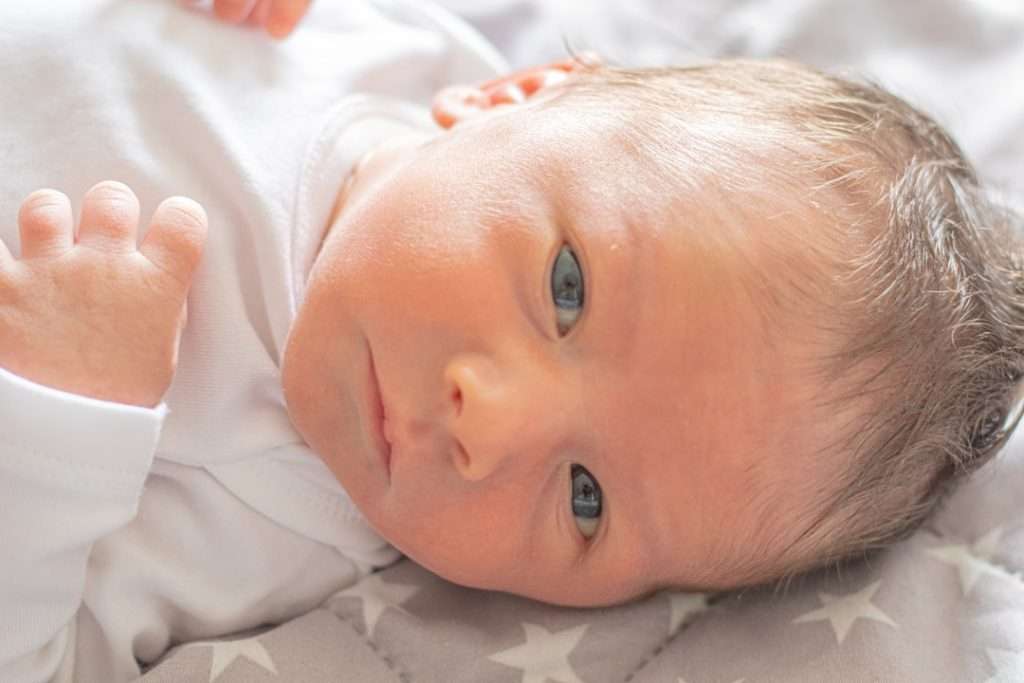
The Moro reflex is the sudden flinging out of the arms and legs that can wake a newborn from a light sleep. Swaddling can help by reducing that jerky movement and recreating a more snug, womb-like feeling, which is why many parents notice longer stretches when the fit is calm and secure.
Safe sleep still comes first. Plunket advises placing baby on their back, using a lightweight wrap, making sure the wrap is not loose enough to cover the face, and making sure it is not so tight that baby cannot move. Plunket also advises stopping swaddling, or freeing the arms, when baby starts trying to roll over. You can read more in Plunket’s safe swaddling advice and Foundations for Safe Sleep.
That safe sleep alignment matters more than brand or style. Whichever option you choose, look for a fit that keeps airways clear, allows healthy hip movement, and avoids extra loose bedding in the sleep space.
Wrap Swaddles for Newborns

Wrap swaddles are the classic muslin or jersey style that you fold and tuck around your newborn. They usually work best in the first 0 to 8 weeks, especially for babies with a strong startle reflex who settle better with both arms contained.
The big advantage is flexibility. You can wrap more snugly or more loosely depending on your baby and the fabric, and lightweight wraps are handy in warmer New Zealand homes. The downside is the 1am test: if you are exhausted, a neat, secure wrap can feel fiddly, and some babies wriggle out of them surprisingly fast.
For NZ room temperatures, use the tog rating on any structured swaddle bag as your guide, or if you are using a simple fabric wrap, think in terms of light breathable layers rather than piling on warmth. A practical rule of thumb from official tog charts is 1.0 tog for around 20 to 24°C, 2.5 tog for roughly 16 to 20°C, and lighter 0.2 to 0.3 tog options for 24°C and above. That aligns closely with the common nursery target of about 16 to 20°C used in baby sleepwear guidance. Check the room, not the season, because Auckland summer and a South Island winter nursery can feel very different indoors.
Arms-Up Swaddles: Are They Better for Some Babies?
Arms-up swaddles are designed for babies who settle badly when their arms are pinned down but still benefit from a contained sleep shape. They can be a very useful middle ground in the newborn stage, especially if your baby likes sucking on hands or resting them near the face.
Many tired parents find these easier than a traditional wrap because the zip does most of the work. That makes night changes and re-settling simpler, which matters when you are half awake and trying not to fully wake baby. The trade-off is that fit matters more. If the neck, chest or arm area is too roomy, it is not the right choice.
When comparing options, look for breathable fabric, a firm but not tight fit through the torso, and clear guidance on when to move to arms-free sleep. Some parents start with a classic wrap and switch to an arms-up style within days. Others skip straight to it. If you are looking for an easier zip-up option, NappyCare.store stocks swaddles in this category alongside other newborn sleepwear choices.
Baby Sleep Bags: When Should You Use One?
Sleep bags are usually the easiest long-term choice because they remove the wrapping step and keep working well beyond the newborn phase. Once baby is no longer being swaddled, a well-fitted sleep bag is often the most practical option for consistent overnight sleepwear.
This is also where tog ratings become most useful. Official sleepwear guides commonly suggest 0.2 to 0.3 tog for 24°C and above, 1.0 tog for about 20 to 24°C, 2.5 tog for around 16 to 20°C, and 3.5 tog for colder rooms below that. If your home sits around Plunket-style safe sleep basics and you aim for a room near 16 to 20°C, a 2.5 tog sleep bag is often the starting point many NZ parents look at, with clothing underneath adjusted to suit.
Size matters as much as warmth. Choose by the maker’s weight or size chart, not just age, because a bag that is too large can ride up or fit poorly. Sleep bags also tend to score highest on the 1am test: zip in, zip out, less guesswork, and no need to rewrap after every feed.
| Type | Age Range | Tog Options | Ease of Use (1am test) | Best For |
|---|---|---|---|---|
| Wrap swaddle | 0 to 8 weeks | Use light breathable wraps or structured swaddles around 0.2 to 2.5 tog depending on room temperature | Lowest if you are very tired | Newborns with a strong startle reflex who like a snug wrap |
| Arms-up swaddle | Newborn to around 3 months, or until rolling signs | Often available in 1.0 to 2.5 tog, with lighter options for warmer rooms | High | Babies who dislike pinned arms and self-soothe with hands near face |
| Sleep bag | From transition stage onward | 0.2 to 0.3 tog for 24°C+, 1.0 tog for 20 to 24°C, 2.5 tog for 16 to 20°C, 3.5 tog for colder rooms | Highest | Parents wanting the easiest long-term option without loose blankets |
When Should You Stop Swaddling a Newborn?

Stop swaddling when your baby starts showing signs of rolling, not when a calendar says it is time. That might be around 8 to 12 weeks for one baby and later for another, but the milestone matters more than age.
If rolling signs are starting, move to arms-free sleep rather than trying to squeeze out a few more nights in a full swaddle. Some parents do this in stages by freeing one arm for a night or two, then both arms, then moving fully into a sleep bag. Others switch straight to a sleep bag if their baby is already active and wriggly.
Plunket’s guidance is clear that once baby starts trying to roll, it is time to stop swaddling or swaddle with arms free. Keep every sleep face up, face clear, and in a flat, firm sleep space. If you want to check your setup against current advice, read Plunket’s safe sleep resources and speak with your midwife, GP or Plunket nurse if you are unsure.
If you are weighing up newborn swaddles or a longer-term sleep bag, NappyCare.store can help with practical options that suit different stages and room temperatures. We also recommend keeping a simple room thermometer nearby so tog choices are based on the actual nursery temperature, not guesswork.
If you are looking for swaddles or sleep bags, we stock a range at NappyCare.store, and our baby sleep guide is a helpful next step for planning a safe sleep setup. For anything that feels medical, developmental or worrying, check in with your midwife, GP or Plunket nurse for advice tailored to your baby.
Frequently Asked Questions
Is swaddling safe?
Swaddling can be safe when baby is placed on their back, the wrap is lightweight, the face stays clear, the fit is snug but not tight, and swaddling stops when baby shows signs of rolling. If you are unsure, check with your Plunket nurse, midwife or GP.
What tog should I use for a New Zealand summer nursery?
It depends on the actual room temperature, not just the season. In warmer rooms around 24°C and above, many parents use very light 0.2 to 0.3 tog sleepwear. Around 20 to 24°C, 1.0 tog is a common starting point. Always check your baby’s comfort and follow the product’s dressing guide.
Can I swaddle if my baby rolls early?
If your baby is showing signs of rolling, stop full swaddling and move to arms-free sleep or a sleep bag. Rolling readiness matters more than age.
Are sleep bags better than swaddles?
Not always better, but often easier for the longer term. Swaddles can help in the first newborn weeks with the startle reflex, while sleep bags are usually simpler once swaddling is no longer appropriate.
How do I choose the right size sleep bag?
Use the brand’s size or weight chart rather than age alone. A good fit around the neck and chest matters for safety and comfort.