

The first days at home can feel like a blur of feeds, laundry, healing, and trying to rest between doorbells. The most helpful postpartum essentials reduce small daily hassles, so you can keep your energy for recovery and your baby.
You don’t need a house full of specialised products. A few well-chosen supplies, easy food, and people who respect your need for quiet can make the fourth trimester feel far more manageable.
Postpartum Essentials to Buy Before You Come Home
Start with supplies you will use every day, then leave room to buy more once you know what your recovery and feeding routine look like. Your midwife or maternity care team can help you adjust the list for a vaginal birth, caesarean birth, or medical needs.
A simple two-week setup includes:
- Maternity pads or disposable postpartum underwear, plus several pairs of comfortable high-waisted underwear.
- A peri rinse bottle, soft toilet paper, and a cold pack designed for the perineal area.
- A large drink bottle, easy snacks, and pain relief recommended by your care team.
- Two sets of loose, washable clothes and nursing-friendly tops if you plan to breastfeed.
- A thermometer, newborn nappies, wipes, burp cloths, and a safe sleep space.
| Buy before birth | Usually safe to wait on |
|---|---|
| Maternity pads and recovery underwear | A breast pump |
| Nappies and wipes | Multiple bottle brands |
| Basic nipple cream and breast pads | A dedicated nursing pillow |
| Easy freezer meals and snacks | Extra baby outfits |
| Two fitted sheets for baby’s bed | Large nursery furniture |
The practical rule is simple: buy for today’s repeated jobs, not every possible parenting scenario. A maternity and baby essentials guide can help you compare everyday items without filling cupboards with products you may never open.
Handling Postpartum Bleeding and Perineal Discomfort
Postpartum bleeding, also called lochia, happens after every birth, including a C-section. It is often heavier at first, then changes over time and gradually becomes lighter. Keep maternity pads close by in the bathroom and beside your bed, because getting up quickly can make bleeding feel more noticeable.
Health New Zealand explains what happens at postnatal health checks, and your lead maternity carer is the right first contact for questions about what you are seeing.
Make toilet trips gentler
A peri rinse bottle lets you wash the area with lukewarm water while you wee, which can reduce stinging after tearing, stitches, or swelling. Pat dry rather than rubbing. Change pads often, wash your hands before and after, and wear breathable underwear.
Cold packs can ease swelling during the first days. Some parents also like witch hazel pads or a perineal spray, although plain water and regular pad changes may be enough. A sitz bath can feel soothing, but check with your midwife before using one, particularly if you have stitches or a wound.
Choose protection that suits your body
Maternity pads are absorbent, breathable, and easy to monitor. Disposable postpartum underwear can feel more secure overnight or during a long feed when standing up is hard. Adult diapers are another option if they feel comfortable, but many are bulkier and less breathable.
Avoid tampons during early healing unless your maternity care team gives different advice. Keep several packs at home, since changing protection frequently is more comfortable than trying to stretch supplies.
Postpartum bleeding should trend lighter over time. A sudden increase, a strong unpleasant smell, or feeling unwell deserves a call to your midwife or doctor.
C-Section Recovery Needs Less Reaching and Lifting
A caesarean birth adds an abdominal incision to the usual demands of the early weeks. Set up your bed, sofa, or favourite chair with water, medication, snacks, phone charger, pads, and baby’s feeding supplies within arm’s reach.
High-waisted underwear and soft, loose trousers are often more comfortable than anything that presses on the incision. Some people like gentle abdominal support, while others find it uncomfortable. Ask your maternity care team before using a belly binder, because the right choice depends on your birth and healing.
Look after the incision with care
Follow your discharge instructions for showering, dressing changes, movement, and lifting. Avoid judging progress against another parent’s recovery. Walking short distances around the home may feel manageable, while a trip to the letterbox may not.
Contact your care team if the wound becomes increasingly painful, hot, red, swollen, smelly, or starts oozing. You should also seek advice for burning when urinating, difficulty passing urine, or constipation that doesn’t improve. Fluids, fibre-rich food, gentle movement, and any stool softener prescribed or approved by your clinician can help.
Feeding Supplies That Earn Their Place
Feeding can take up much of the first two weeks. Whether you breastfeed, chestfeed, bottle-feed, express milk, use formula, or combine methods, your setup should make feeding less physically draining.
If you are breastfeeding or chestfeeding
The basics are breast pads, nipple cream, burp cloths, comfortable bras or tanks, and water within reach. A regular pillow can support your arms and baby. A supportive nursing pillow may be useful after a C-section, when bending or holding weight across your abdomen hurts.
Sore nipples can happen while you and baby learn together. However, pain that continues throughout a feed, damaged nipples, or worries about baby’s milk intake are good reasons to ask for help early. Plunket has practical guidance on common breastfeeding problems and solutions.
A breast pump is not automatically essential in week one. Wait if you can, unless your midwife, lactation consultant, or personal situation calls for expressing sooner. This avoids spending money on equipment that doesn’t suit your routine.
If you are bottle-feeding
Start with a small group of bottles, slow-flow newborn teats, a bottle brush, and whatever formula or expressed milk plan your care team recommends. Buying every bottle style available rarely helps. Babies can have strong preferences, so trying one option before stocking up protects your budget.
Keep a clean water bottle and snacks at your feeding spot too. The person feeding the baby needs care as much as the baby does.
Newborn Basics for Day and Night
Your baby needs fewer items than marketing suggests. A firm, flat sleep surface with fitted sheets, enough clothes for frequent changes, nappies, wipes, and feeding supplies cover most first-week needs.
For a fuller shopping reference, use this practical newborn essentials checklist. It helps separate useful basics from items that can wait until you know your baby’s size, temperament, and feeding pattern.
Keep sleep arrangements simple and safe
Set baby up in their own clear sleep space, close to where you sleep. Keep pillows, loose blankets, soft toys, and bulky bedding out of the sleep area. Two fitted sheets make night-time changes much easier.
Choose easy-open bodysuits and sleepsuits rather than complicated outfits. Newborns go through more changes than expected, and simple layers save time when you are tired.
Build a small nappy station
Place nappies, wipes, a changing mat, nappy bags, spare clothes, and a muslin cloth in one basket. A second small basket near your bed prevents repeated walks at night, which is helpful while you are sore or recovering from surgery.
Food, Rest, Visitors, and Your Emotional Health
Recovery asks a lot of your body. Keep filling foods within reach: sandwiches, soup, yoghurt, fruit, cheese, crackers, oats, nuts if safe for your household, and freezer meals. Drink whenever you feed the baby, and let someone else refill your bottle.
Sleep may arrive in short pieces, so protect the chances you get. One adult can handle meals, laundry, messages, and visitors while the other rests. If you have support, ask for a prepared dinner or a load of washing before asking for baby cuddles.
The New Zealand College of Midwives’ first-weeks guidance is a useful reminder that home visits and postnatal support are part of care, not an interruption.
Put boundaries around visitors
Loved ones often mean well, yet a crowded lounge can leave you exhausted. Set visiting times, ask people not to come when unwell, and feel free to say no. A helpful visitor brings food, empties the dishwasher, or holds the baby while you shower.
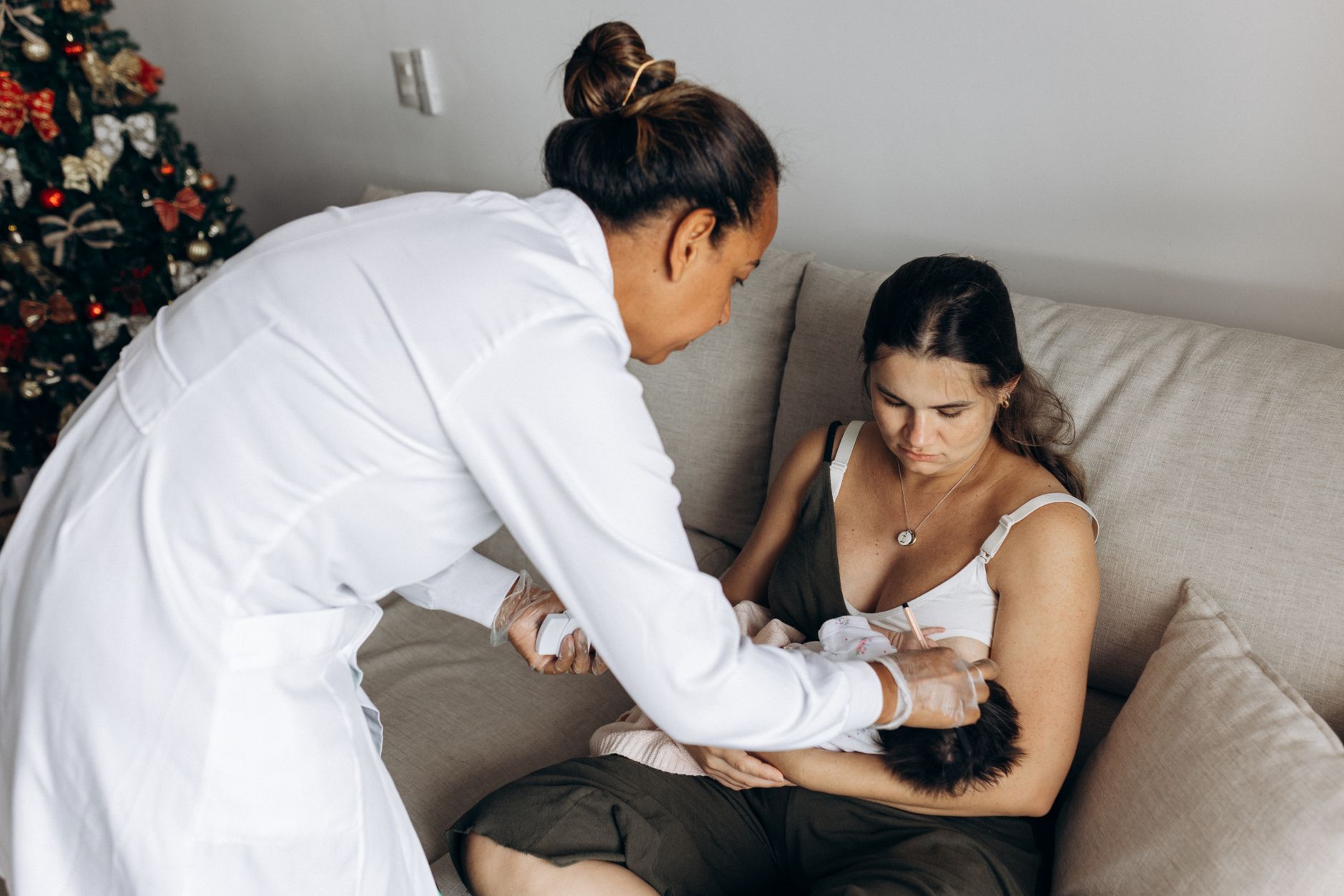
Photo by Jonathan Borba
Take changes in mood seriously
Tearfulness and feeling overwhelmed can happen after birth. Still, persistent sadness, panic, rage, hopelessness, severe anxiety, or feeling disconnected from your baby are signs to share with someone you trust and a health professional.
The Mental Health Foundation’s postnatal depression information explains available support. In New Zealand, you can also call PlunketLine on 0800 933 922. If you have thoughts of harming yourself or your baby, seek immediate help through 111 or your local emergency service.
When to Seek Urgent Help for You or Baby
Trust the feeling that something isn’t right. Your midwife, GP, after-hours clinic, or emergency services would rather hear from you early than after symptoms become severe.
Seek urgent medical advice for yourself if you have:
- Bleeding that rapidly increases, soaks a maternity pad in less than 30 minutes, or includes large clots.
- Fever above 38 C, chills, fainting, severe dizziness, worsening abdominal pain, chest pain, or trouble breathing.
- A painful, swollen, red leg, or a red, hot breast with fever or flu-like symptoms.
- A C-section, episiotomy, or tear wound that becomes red, swollen, painful, or produces pus.
Call 111 for severe bleeding, chest pain, breathing trouble, collapse, confusion, or any situation that feels like an emergency.
For your baby, get urgent advice if they have a fever, struggle to breathe, are difficult to wake, refuse several feeds, look blue or unusually pale, or you are seriously concerned. Plunket advises that a baby younger than three months with a fever needs urgent assessment.
A Gentle Start Matters More Than a Perfect Setup
The best postpartum essentials are the ones that make recovery and newborn care easier today: pads, food, water, comfortable clothing, feeding support, and a safe place for baby to sleep. Everything else can wait until you know what your family needs.
Your body is healing while you learn a new rhythm. Keep your maternity care team’s number close, accept practical help, and treat rest as part of your recovery, not a reward you have to earn.